Best Security Fence Types in Minneapolis Ranked by Risk Level
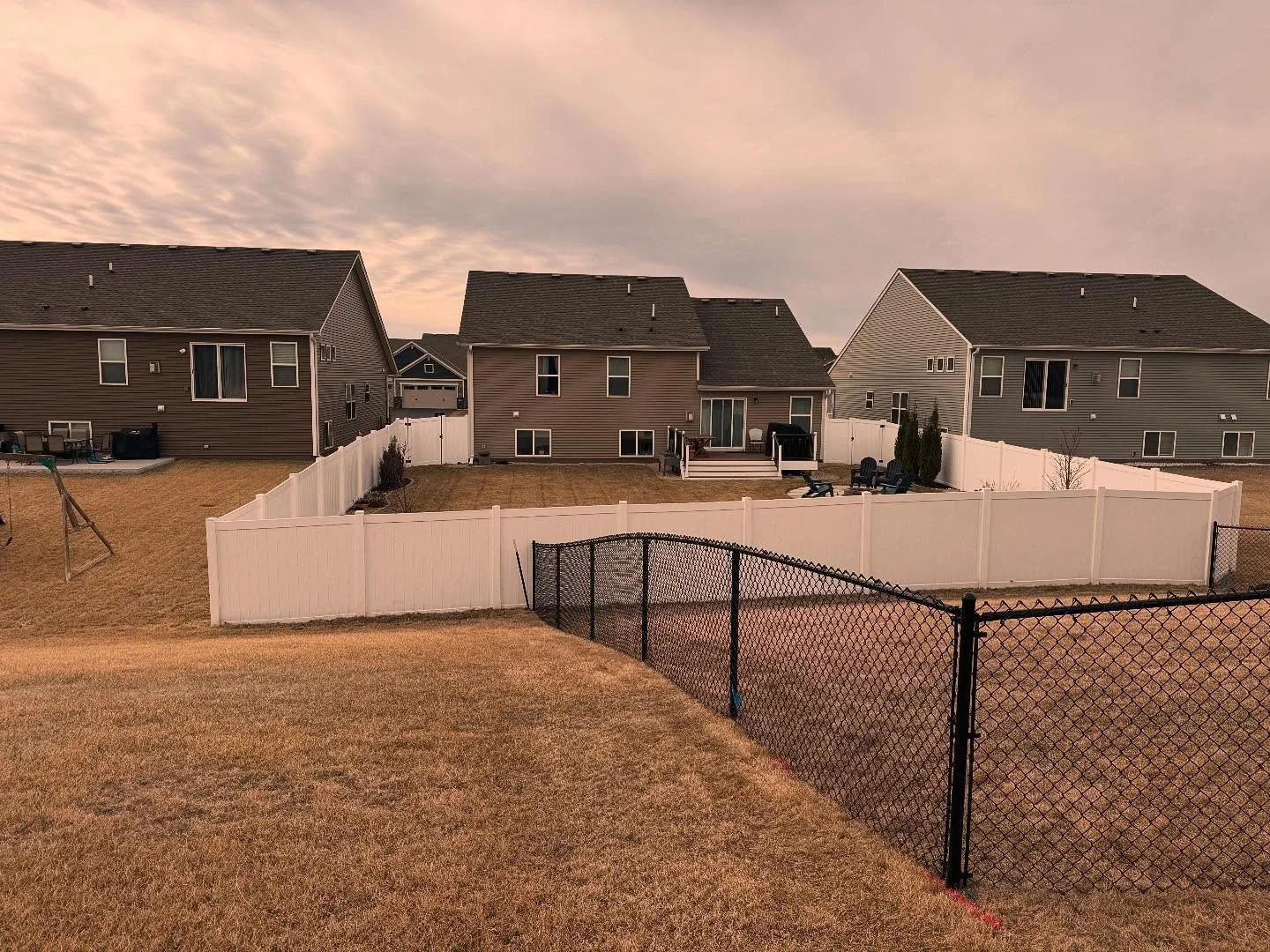
Not every fence serves the same purpose, and any honest security fence company will tell you that straight away instead of steering you toward whatever happens to be sitting in their yard. That includes chain link fencing, which suits some properties but not every situation. Talk with people who install fences for a living and you'll hear the same point again and again: what keeps a dog inside an Eagan backyard barely resembles what's needed to secure a commercial lot in northeast Minneapolis, and neither has much in common with a front-yard ornamental fence meant to mark a property line while still looking sharp from the street.
The style of fence you pick matters, but so does everything that happens after, how deep the posts get set, and whether the material can hold up through a real Minnesota winter without warping, rusting, or breaking down after a few freeze-thaw cycles. That's the part people tend to miss until it costs them something. So here's a quick look at the three fencing options you're most likely to see around the Minneapolis area: chain link, ornamental steel, and wood. Our crew handles chain link and ornamental steel installs directly. We don't install wood fencing ourselves, but we'll still break down how it compares so you have the full picture before deciding.
How to Think About Risk Level for Fencing
Before the comparison makes sense, it helps to get specific about what kind of risk you're actually trying to manage.
Containment risk is about keeping what's inside your property from getting out: dogs, children, equipment. Intrusion risk is about preventing unauthorized access from the outside. Perimeter definition is lower stakes: you want a clear visual boundary that discourages casual entry without necessarily stopping a determined one.
The fence type that fits your situation depends entirely on which of those risks matters most to your property. Once that's clear, the right product becomes a lot more obvious.
Chain Link: High Containment, Moderate Intrusion Deterrence
Chain link is the most practical security fence option for residential yards and light commercial properties across Minneapolis and the broader Twin Cities. It's durable, transparent in the sense that you can see through it, and resistant to physical stress from impacts and weather.
For containment, chain link is hard to beat. A properly installed fence with posts set at 42 to 48 inches below grade (below Minnesota's frost line) won't shift, lean, or develop gaps from freeze-thaw cycles. That matters more than most buyers realize. A fence that heaves and tilts over a few winters creates openings that weren't in the design, and those openings tend to appear at the most inconvenient times. Every post we set goes in below the frost line, and that's the difference between a chain link fence that lasts twenty years and one that becomes a maintenance problem after three.
For intrusion deterrence, chain link is moderate. It creates a clear boundary and takes real effort to defeat, but a determined person can get through it. For most residential applications, that's an acceptable trade-off given how cost-effective and durable chain link is over its life. For higher-risk commercial situations, additional features like barbed wire topping or privacy slats can be incorporated.
The galvanized finish resists rust and corrosion through Minnesota's wet springs and winters. Black-coated chain link, which has a vinyl coating over the galvanized wire, offers a cleaner residential look without giving up any of the structural properties of standard galvanized.
Best suited for: Containment, perimeter definition, light commercial security
Ornamental Steel: High Visual Deterrence, Excellent Long-Term Durability
Ornamental steel is built to last and difficult to compromise without significant effort. The vertical picket design maintains visibility through the fence, which is actually a security advantage in some situations, since it removes the cover that a solid fence creates near your property line. The rigid frame and picket geometry also make ornamental steel considerably harder to climb than chain link.
For properties where the fence needs to simultaneously establish a boundary that looks intentional and present a real physical barrier, ornamental steel tends to land in the right spot. We install ornamental steel to ASTM F2589 standards, and as with everything we do, posts go in below Minnesota's frost line at 42 to 48 inches. The climate here is hard on fence posts. If an installation doesn't account for frost depth, you'll see the effects within a couple of winters, and what you'll see is posts that have moved and panels that no longer sit true.
Ornamental steel is a common choice for front-yard perimeters, pool enclosures, and properties where appearance carries weight alongside function. It holds up well over decades, doesn't need painting, and doesn't degrade in repeated freeze-thaw conditions the way wood does.
Best suited for: Perimeter definition, intrusion deterrence, pool enclosures, front-yard security applications
Wood: Variable Performance, Higher Maintenance Demands in Minnesota
Wood is worth addressing directly even though it's not a product we install. It shows up often enough in the Minneapolis market that skipping it would leave the comparison incomplete.
Wood has genuine strengths: privacy, aesthetics, a natural look that fits certain neighborhood contexts. For security specifically, though, it has limitations that become more pronounced in Minnesota's climate. Wooden fence posts are vulnerable to moisture damage and rot at the ground line, where the wood meets soil. In a climate that cycles through freezing and thawing repeatedly over months, that deterioration accelerates. Posts shift. Panels warp. Gaps open without obvious cause.
For applications where the fence will face sustained weather stress and needs to stay structurally sound for years without significant maintenance, wood is generally a weaker option than either chain link or ornamental steel. If the goal is perimeter definition and aesthetics are the primary driver, wood can serve that role. But anyone whose security priority is actual containment or intrusion deterrence should think carefully before choosing a material that requires regular upkeep to stay functional in this climate.
Best suited for: Aesthetics-driven perimeter definition. Not recommended for high-demand containment or intrusion deterrence applications in Minnesota
Matching the Fence Type to the Property
For most Twin Cities homeowners dealing with containment (dogs, children, yard perimeters), chain link does the job reliably and for a long time when it's installed correctly. For properties where appearance is part of the requirement alongside security, ornamental steel handles both without compromise. Wood has its place, but for anyone whose primary goal is a fence that performs well with minimal attention over time, the metal options are the stronger choice.
Whatever material you choose, the installation quality is what determines how long it actually works the way it was intended.
Why Installation Quality Is the Variable Most Buyers Miss
The product comparison is useful, but in our experience the bigger variable between a fence that holds up and one that doesn't is the depth and quality of the installation. Minnesota is a hard climate for outdoor structures. The soil moves. Temperatures swing by close to a hundred degrees between summer and winter. Freeze-thaw cycles work on fence posts the way repeated pressure works on anything embedded in expanding and contracting material, building pressure slowly and then releasing all at once.
Proper post depth, set below the frost line at 42 to 48 inches, is the single biggest factor in fence longevity, regardless of material type. Posts set above that depth will eventually heave. Maybe not in the first winter. Often in the second or third. By the time it's visible, the post has already moved significantly.
If you're comparing quotes for a security fence installation in Minneapolis and one comes in meaningfully lower than the rest, the post depth question is worth asking before you commit. The cost of resetting posts that have shifted is much higher than doing it correctly the first time. To see what our installations look like and how we approach projects across the Twin Cities, visit compassfenceco.com.
Related Topics: