Fence Replacement in the Twin Cities

Minnesota winters expose every weakness in a fence. Posts heave as the ground freezes and thaws. Panels crack, rails pull loose, and gates that once latched cleanly start failing after a few hard seasons. For some fences, a targeted repair is the right answer. For others, the structure has deteriorated past the point where individual fixes make financial sense, and a full fence replacement becomes the decision that actually puts the problem to rest.

As professional fence replacement contractors, we handle projects across the Twin Cities metro for residential properties and light commercial sites. Every project starts with an honest assessment of whether repair or replacement is the right call, and that answer comes from walking the property with the homeowner, not from defaulting to the more expensive option.

When a Fence Has Gone Past Repair

The line between targeted repair and full replacement depends on how much of the fence has failed and what caused the failure. A single sagging gate or a torn section of chain link mesh is a repair. Multiple posts that have heaved out of alignment, rot at the base of a wood fence, vinyl panels cracked and yellowed across an entire run, or a perimeter where the top rail has separated from the posts across several sections. These patterns point to structural failure; patchwork will not hold.

The most common cause of early fence failure in Minnesota is posts set above the frost line. When footings sit in soil that freezes, they move with the ground and rarely settle back to their original position. A fence installed that way will not survive ten Minnesota winters intact. During every replacement estimate, we check how deep the existing posts were set, because that answer tells us a great deal about what failed and why.

What the Replacement Process Actually Involves

Fence replacement starts before any new material goes up. The existing structure has to come out first, which means posts, panels, concrete footings, and gate hardware all leave the property before installation begins. We include old fence removal in most replacement quotes, written out as its own line item so the homeowner knows exactly what is covered before signing anything.

From there, the process follows the same standards we apply to every new fence installation. Gopher State One Call is contacted before any digging begins to locate underground utilities. Post holes go down below the Minnesota frost line, which runs between 42 and 48 inches in the Twin Cities. Concrete footings are poured and given time to cure before panels and hardware are loaded onto the posts. The project closes with a walkthrough alongside the homeowner before the crew leaves the site.

The Situations That Most Often Lead to a Call

Most replacement projects we handle follow recognizable patterns. A homeowner has been repairing the same fence for two or three seasons, but the patches are not holding. Someone just bought a property with an aging fence and wants it replaced before the first summer, rather than dealing with a mid-season failure. A storm took out a significant section of a fence that was already close to the end of its service life. A wooden fence finally rotted beyond repair, and the homeowner wants a material that holds up better in Minnesota winters without annual maintenance. A family with a new dog or young children needs a fully contained yard and cannot work around a fence that has gaps or leaning posts.

Light commercial properties arrive with a different profile. A deteriorated chain-link perimeter creates a security concern, an insurance issue, or simply reflects poorly on the business. The scope is often larger in terms of linear footage, but the process runs the same from estimate through final post.

Choosing the Right Material the Second Time

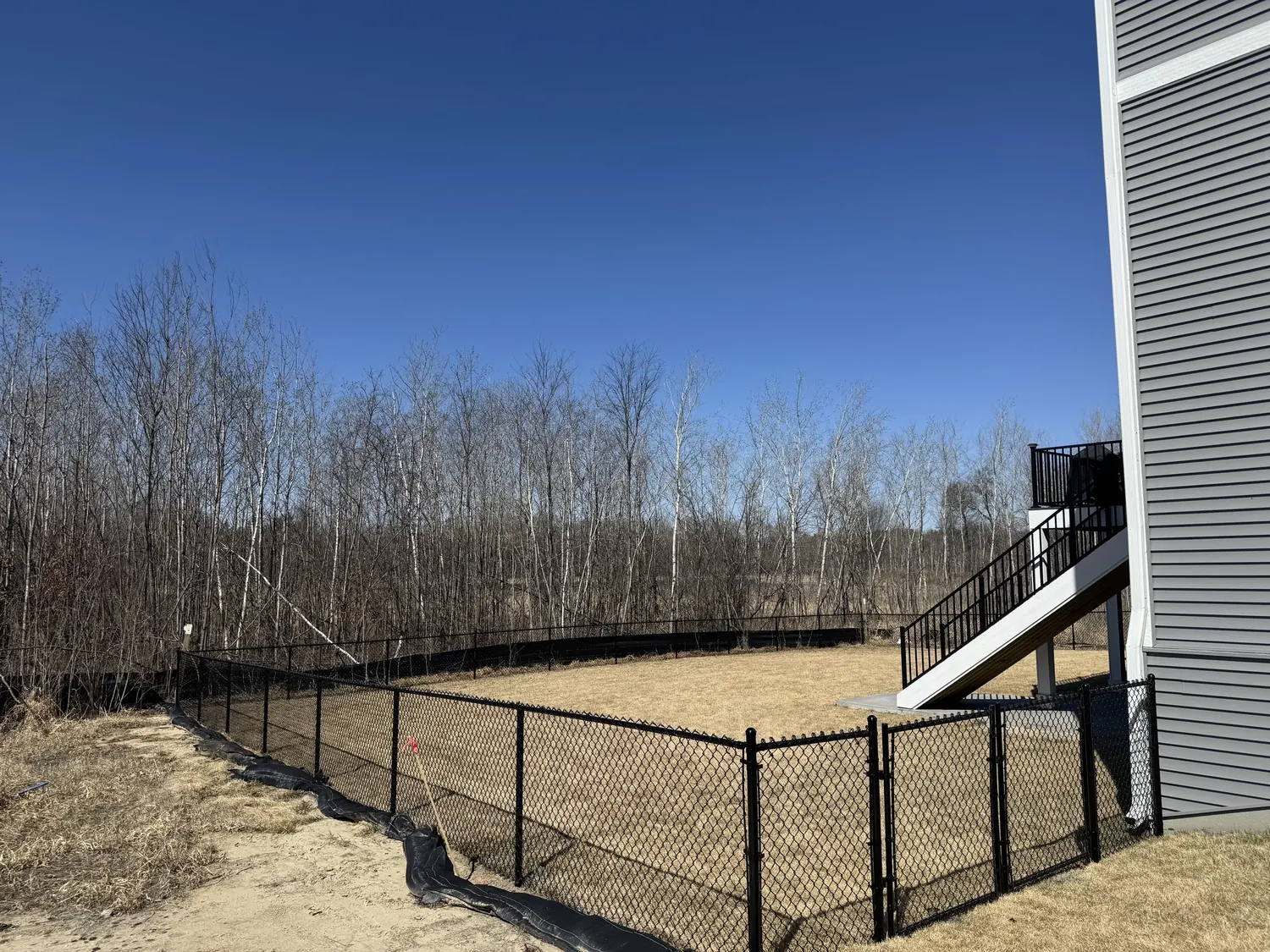
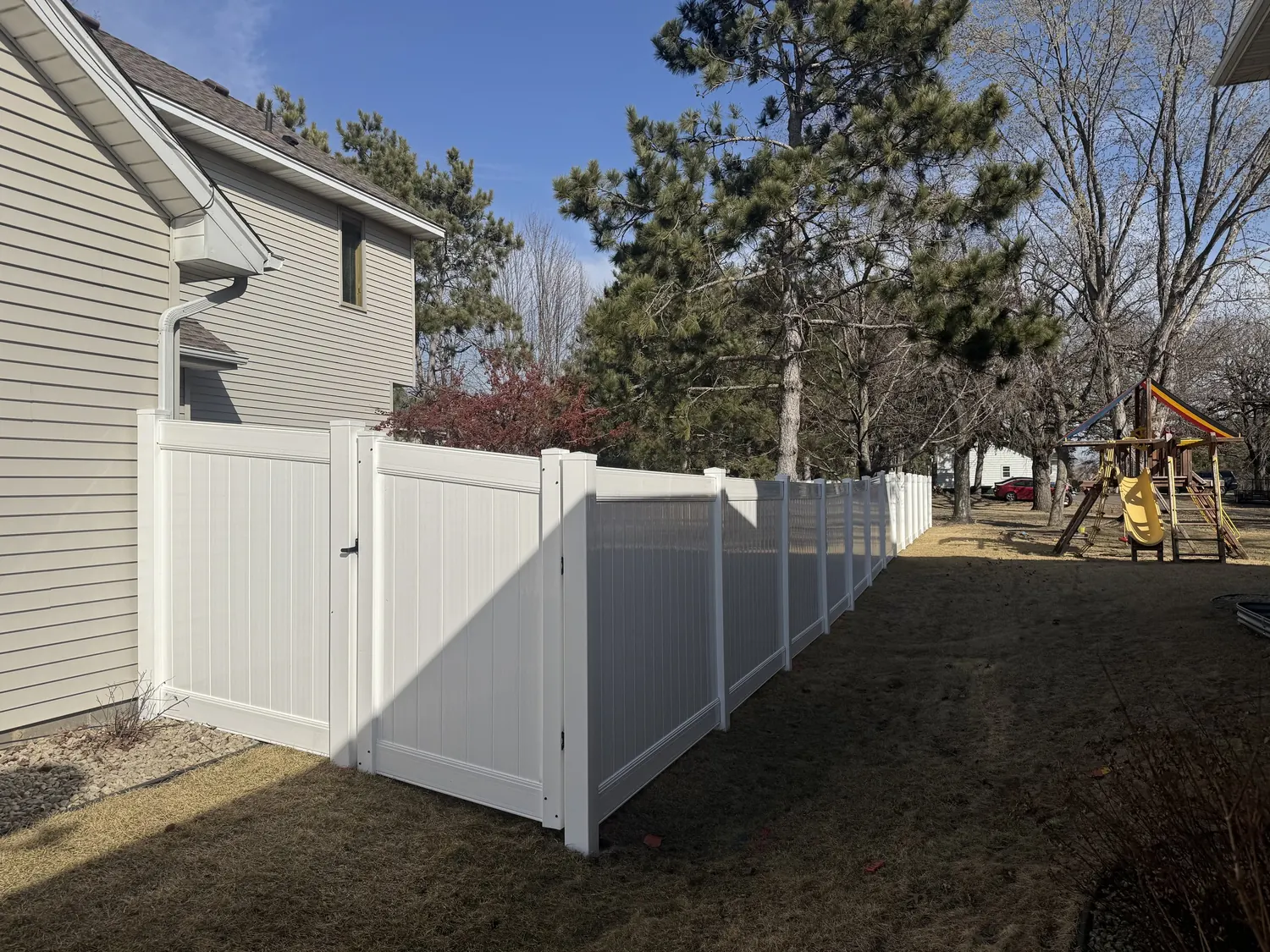
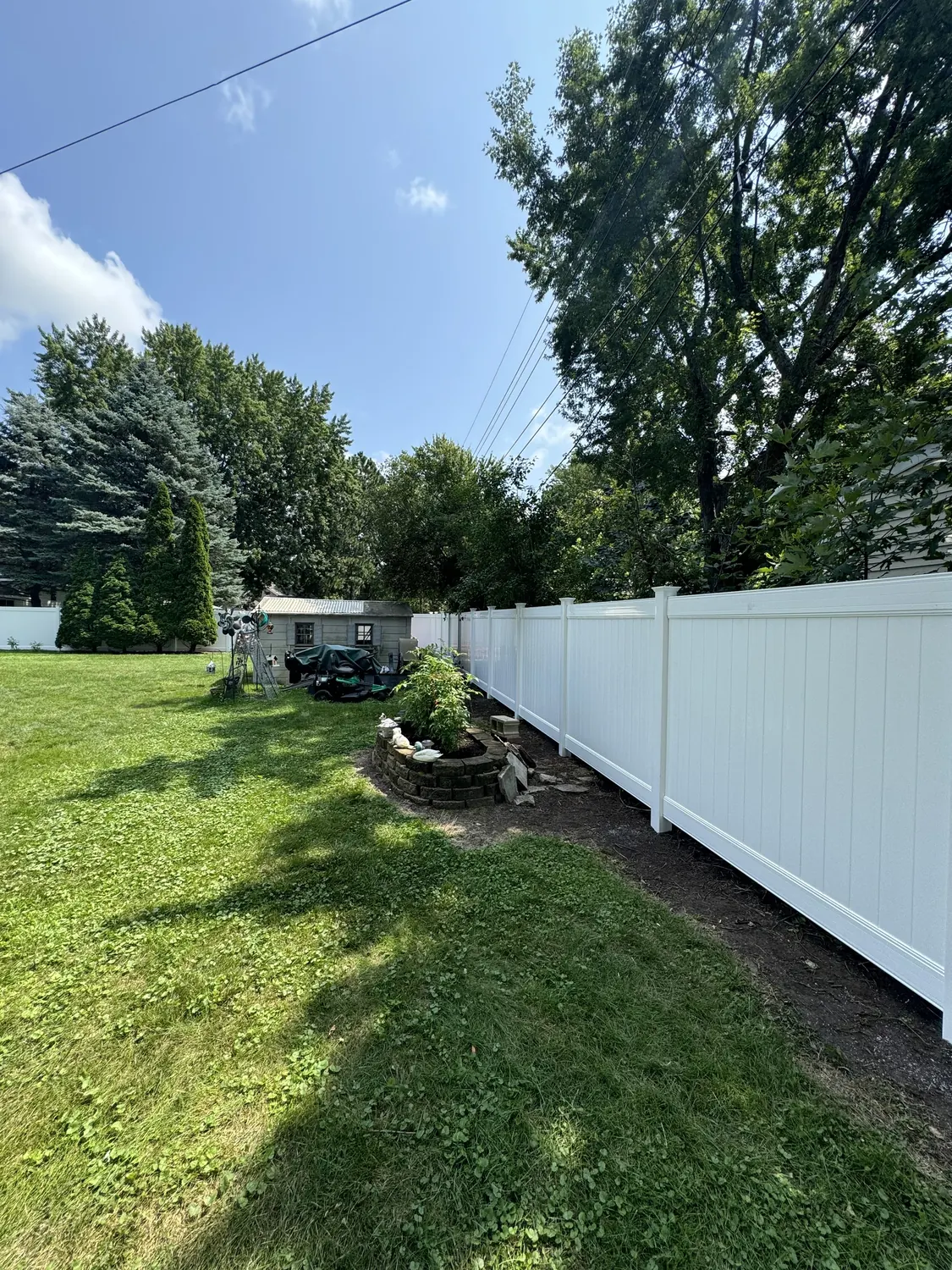
Replacement is a natural point to reconsider what goes back up. Homeowners replacing a wood fence that failed after a few particularly harsh winters often find that vinyl privacy holds up better in Minnesota conditions without the maintenance demands. Properties with rusted or torn galvanized chain link can switch to black-coated chain link, which fits better visually in residential neighborhoods. Ornamental steel works well for front-facing property lines and commercial perimeters where appearance and security both matter.

Our chain link fences page covers the gauge and coating options in that category. Homeowners weighing privacy materials will find a full breakdown on our vinyl fences page, and ornamental fences covers what that installation involves and where it performs best. All three are sourced to ASTM standards and installed with posts set to frost-line depth regardless of material or project size.

Why Twin Cities Homeowners Choose Us for This Work

The short answer, based on what customers consistently say, is accountability. Devon quotes the project and runs the install with the same crew. No subcontractors take over once the estimate is signed, and the homeowner has a direct line to the owner from the first call through the final walkthrough.

Compass Fence Co. holds an active Minnesota Contractor Registration, carries a BuildZoom score of 94, and has earned 70-plus five-star Google reviews from homeowners across the metro. The 10-year labor warranty covers post setting, panel and rail attachment, gate alignment, and hardware installation for a decade from project completion. 

That warranty is especially important for a replacement project, because the homeowner has already had one fence that did not hold up. For properties where only a section has failed and the rest of the structure is sound, the chain link fence repair guide walks through how to assess which direction makes more financial sense.

Permit Requirements Across the Twin Cities

Fence replacement typically requires a building permit in most Twin Cities cities, and the rules are not uniform across the metro. Minneapolis handles permits through the Department of Community Planning and Economic Development. St. Paul uses the Department of Safety and Inspections. Suburban building departments each run their process with separate fee schedules and review timelines. Some cities require a permit for any new fence; others set a height threshold before one is required.

We confirm permit requirements during the free estimate so the homeowner knows who is responsible for pulling the permit and what the timeline looks like before anything is signed. That step happens alongside material selection and measurement so nothing gets left for the homeowner to sort out on their own. Minneapolis homeowners will find city-specific height limits, setback rules, and permit process details on our fence replacement in Minneapolis page.

Get a Free Estimate

A written quote covers everything from old fence removal through the final post: materials, labor, permit handling, and a stated post depth. Devon walks the property, reviews the existing fence, and sends the quote within a few days of the site visit. Contact us to schedule.