Do I Need a Permit to Install a Fence in Minneapolis?
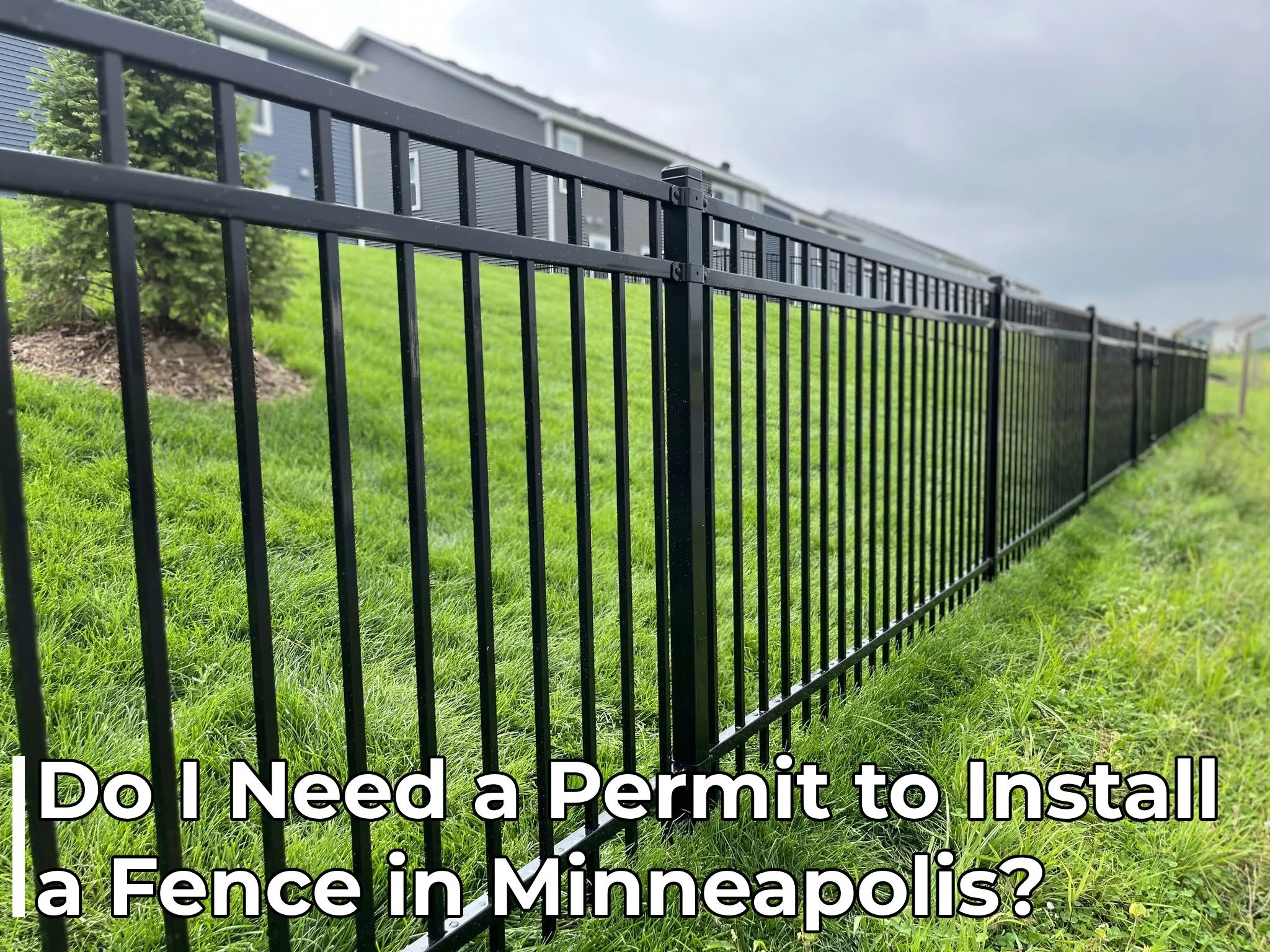
Short answer: yes, most fence installation projects in Minneapolis need a permit. The longer answer depends on where the fence sits on your lot, how tall it stands, and whether you're picking solid panels or something more open. Sorting this out before you lock in a start date saves you a headache down the road, and it's one of the main reasons homeowners lean on a trusted fence company in Minneapolis, MN instead of going it alone.
Permits here run through the Community Planning and Economic Development department, or CPED for short. Their job is to make sure new fences follow the city's rules on height, placement, and sightlines near streets and intersections. None of this is red tape for its own sake. These rules exist for real safety reasons and neighbor-to-neighbor concerns, and they apply no matter who's doing the install or how simple the job looks on paper. A crew that handles fence installation regularly knows this, which is why they build permitting into the timeline from day one rather than scrambling for it later.
When a Fence Permit Is Required in Minneapolis
Permit requirements in Minneapolis are tied primarily to fence height and location. A fence running along your rear yard plays by different rules than one along a public street or your front property line. Generally, anything over 4 feet near a street or in a front yard will require a permit. Rear and side yard fences at 6 feet are more commonly allowed, but even those aren't automatically exempt from review.
The fence type matters too. An open ornamental steel fence affects sightlines differently than a solid vinyl privacy panel, and CPED's review process accounts for that. Don't assume your project is exempt based on what the rules were a couple of years ago or what a neighbor told you. Requirements can and do change. For current permit requirements, head to minneapolismn.gov or contact CPED directly. That's the most reliable source for your specific situation.
How to Apply for a Minneapolis Fence Permit
Once you've confirmed a permit is needed, the process moves through a few predictable steps. You'll generally need a property survey or site plan that shows where the fence line falls relative to your property boundaries. That gets submitted to CPED along with the permit application and the applicable fee. CPED sets and updates those fees, so get the current number directly from them rather than from a contractor or an older blog post.
One thing is non-negotiable: installation cannot begin until the permit is approved. We know that's frustrating when you're ready to move forward, but starting without an approved permit creates problems that are much harder to fix after the fact than they are to prevent upfront.
One more step runs alongside the permit process rather than through it. Before any post holes are dug on your property, Minnesota law requires underground utilities to be located and marked. That runs through Gopher State One Call, reachable by dialing 811. We contact Gopher State One Call before every single installation we do. Underground utility strikes during post-setting are dangerous and expensive, and this step prevents them. It's not a formality.
Fence Height Rules and Setbacks in Minneapolis
Minneapolis sets specific height limits based on where on your property the fence sits. Rear and side yards generally allow fences up to 6 feet. Front yard fences and those adjacent to streets are typically restricted lower than that, often to 4 feet. Solid panel fences can also face stricter sightline requirements near intersections than open-style designs.
Setbacks add another layer. A setback is the required distance between your fence and a property line, a sidewalk, or a road. This is where a lot of homeowners run into trouble. Placing a fence even a few inches outside your actual property line is your problem to fix, not your contractor's. Getting a current property survey before the estimate is a smart move, not an optional one.
If your neighborhood has a homeowners association, their rules may be more restrictive than the city's. Check both before settling on a design or a fence height.
What Happens If You Install a Fence Without a Permit
This is where people sometimes take a calculated risk and end up regretting it. The city can order an unpermitted fence removed or modified. Insurance claims involving an unpermitted structure are often denied. And when it's time to sell the house, title review can surface an unpermitted fence and turn it into a seller's problem to resolve before closing, and that rarely happens at a convenient time or at a convenient cost.
The permit process takes time. We understand that. But the cost of getting caught without one is almost always higher than the cost of doing it right from the start.
Our Role in the Permit Process

We want to be straight about this. Permit applications are the homeowner's responsibility, not ours. What we bring to the project is the installation side: posts set below Minnesota's frost line at 42 to 48 inches, materials that meet published ASTM standards for each fence type, and Gopher State One Call contacted before any digging starts. We build to code. The permit (the application, the fee, the approval) sits with you as the property owner.
During the estimate, if Devon sees something about your project that's likely to trigger a permit review or raise a question with CPED, he'll flag it. You'll know what you're dealing with before committing to anything.
Frequently Asked Questions About Minneapolis Fence Permits
Before calling for an estimate, here are the permit questions we hear most often from Minneapolis homeowners.
Do I always need a permit to install a fence in Minneapolis? Not always, but most installations do. Very low decorative fencing may fall under an exemption, but confirm that directly with Minneapolis CPED before assuming. Don't rely on what applied a couple of years ago or what a neighbor told you worked for them.
How long does it take to get a fence permit approved in Minneapolis? Processing times vary based on CPED's current workload and whether your application is complete at submission. Contact CPED directly for a realistic current estimate. Factor that window into your project timeline before you schedule an installation date.
How much does a Minneapolis fence permit cost? CPED sets permit fees and they change periodically. We don't have access to current fee schedules, so check directly with CPED or at minneapolismn.gov for current figures.
Can I start the fence installation before the permit is approved? No. The permit must be approved before any installation begins. Starting before approval creates compliance risk and can result in the fence being ordered removed at your cost.
What documents do I need to apply for a fence permit in Minneapolis? You'll typically need a property survey or site plan showing the proposed fence location relative to your property lines. CPED may have additional requirements depending on your project specifics. Check with them before submitting so your application is complete the first time.
Do permit requirements differ in other Twin Cities cities? Yes. Each city handles permits through its own department. St. Paul fence permits run through the Department of Safety and Inspections (DSI). Suburban cities have their own processes. If your property is outside Minneapolis, contact your local building or planning department.
Ready to Get Started?
Whether you’re planning a new fence installation, need a replacement, or just want expert advice on the best fence type for your home or business, Compass Fence Co has you covered. With decades of local experience, multiple fencing options including ornamental steel, vinyl privacy, and chain-link fences, and a commitment to doing the job right the first time, they’re ready to help bring your project to life.
Call:(612) 310-4279
Email: dtalach@compassfenceco.com
Related Topics: