What Impacts Vinyl Fence Installation Pricing in Minneapolis?
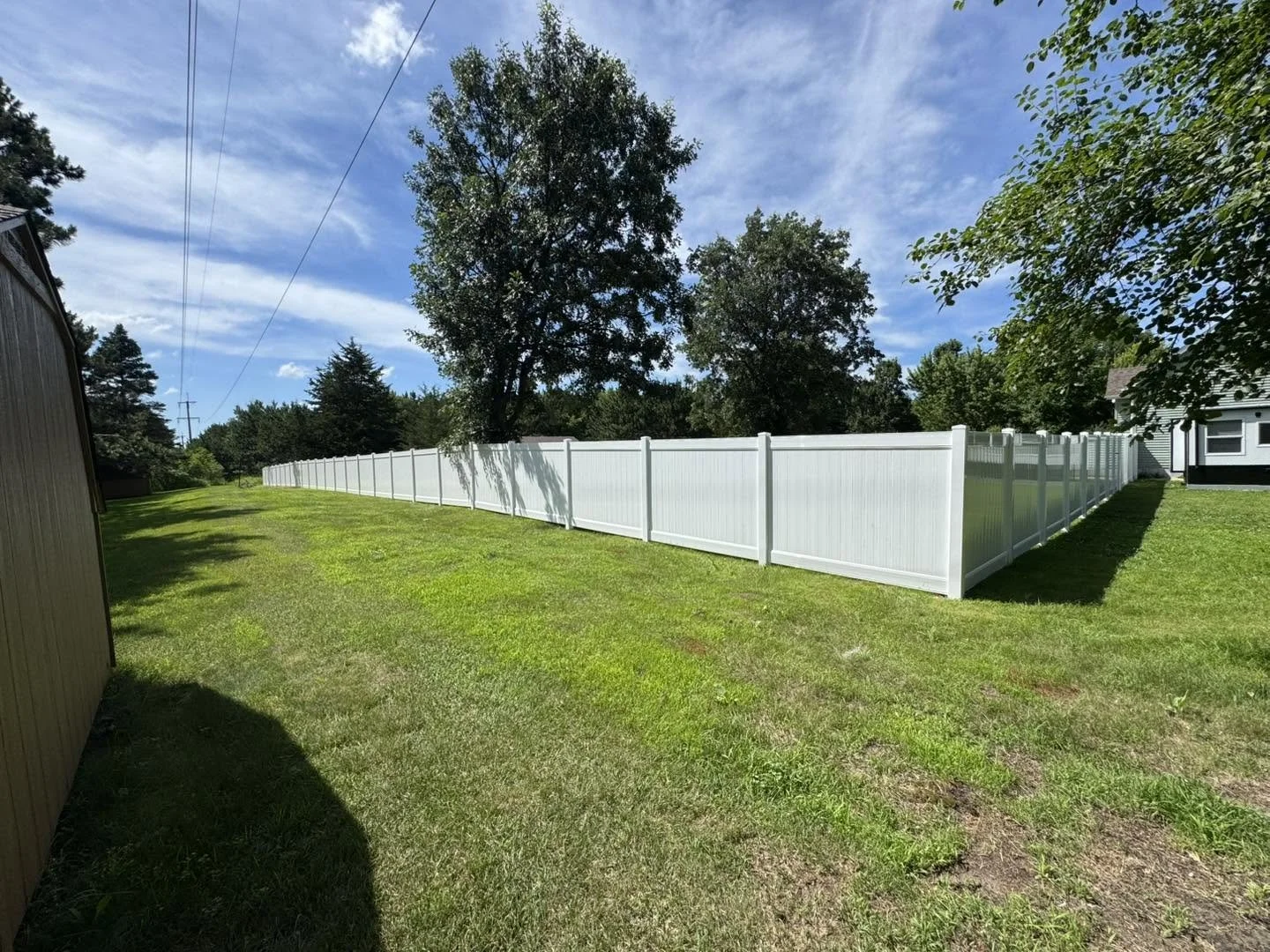
If you have reached out to a handful of fence contractors in Minneapolis and received quotes that are further apart than you expected, that difference does not automatically mean someone is overcharging or cutting corners. Vinyl fence pricing depends on far more moving parts than most homeowners realize once they start comparing affordable fence services, and a good number of those details never show up in a product catalog or a basic price per foot estimate. Settling on a budget friendly fence usually comes down to understanding which of these details actually shape the final number, which is why the process of vinyl fence installation can feel more complicated than it should.
This piece breaks down what really drives the cost of installing a vinyl fence in Minneapolis, starting with the factors that carry the most weight and moving toward the smaller ones that tend to surprise homeowners once the project is already underway.
Linear Footage Is the Starting Point, Not the Whole Story
The total length of your fence line determines how much material the project requires, and material is a meaningful part of any installation cost. But two jobs with identical linear footage can come out at very different numbers depending on what a crew actually encounters on site.
A flat rear yard in Plymouth with a standard double-gate entry is a straightforward project. A sloped lot in Edina with a narrow side passage and a raised garden bed sitting within two feet of the fence line is a different job, even if the total footage is the same. The material cost may be similar. The labor is not. That's where quote differences come from, and understanding what drives them makes it easier to evaluate what you're actually being told.
What Soil Conditions Do to the Installation
The Twin Cities sits in a region with genuinely varied soil. Clay-heavy soil, sandy soil, and soil with rock content all behave differently when posts need to go in.
Clay holds moisture and compresses unevenly. Setting posts in clay requires different technique than working in sandy soil, which drains quickly but provides less resistance around the post base. Rock is its own challenge. If post holes hit ledge or large embedded stone on their way down, the work slows considerably and may require additional equipment to finish.
Here's the part that connects directly to cost: posts need to reach 42 to 48 inches to get below Minnesota's frost line. That's not an optional depth. Posts set above the frost line will heave as the ground freezes and thaws, and a heaving post in a vinyl installation puts stress on the rigid panel system above it in ways that chain link can absorb but vinyl cannot. When the soil makes getting to that depth harder than usual, the labor to get there is part of the honest price. A quote that doesn't reflect proper post depth isn't saving you money. It's deferring the problem.
How a Sloped Yard Complicates Vinyl Fencing
A sloped yard creates complications with vinyl that flat-yard homeowners don't often think about. Vinyl panels are manufactured in fixed heights. Six feet and 8 feet are the standard residential options. On flat ground, a 6-foot panel gives you a 6-foot fence from grade to top, all the way around.
On a slope, you have two main approaches. You can step the fence, stair-stepping panels down the grade in increments. Or you can rake the fence, angling the panels to follow the slope continuously. Not all vinyl fence systems handle raking well; it depends on the rail design and how the pickets attach. Stepped panels leave triangular gaps at the base on the uphill side of each step, which matters significantly if the fence is meant to contain dogs.
Either approach takes more planning and more time than a straight run on flat ground. The layout requires careful measurement, cuts are often needed at the ends of runs, and the installation simply moves more slowly than it would on a level site. That labor difference is real, and it shows up in the quote.
Permit Costs and Why They're a Separate Line Item
Most fence installations in Minneapolis require a permit from the city. The permit fee is a real project cost, and it's separate from the installation quote, which means it's easy to miss when you're comparing contractors.
Depending on your specific project, you may also need a current property survey to submit with the permit application, and that has its own cost if you don't already have a recent one. Permit timelines matter too. Installation can't begin until the permit is approved, so if you're working toward a specific date, the permit processing window needs to be factored into your planning from the start.
Site Access and What It Actually Means for Labor
Fence installation requires moving materials, equipment, and people along the fence line. When that movement is restricted, everything takes longer.
A gate passage that a crew member can barely move through with a post-hole digger adds time to every post on that side of the yard. Established landscaping within a foot of where posts need to go requires care and slows progress. A yard where a dog run or storage structure sits directly adjacent to the fence line is a problem to work around, not ignore.
None of this is disqualifying. We handle all of it. But restricted access changes how long the job takes, and time is a real cost. When you're walking the fence line with us during the estimate, pointing out anything that might restrict movement is genuinely useful. It helps us give you an accurate number the first time rather than a figure that needs to shift once we're actually on site.
The Frost Line Factor That Buyers Often Miss
This one tends to catch people off guard when they're comparing quotes side by side. Every post goes in at 42 to 48 inches. That means digging, concrete, and labor to that depth on every single post, all the way around the perimeter. If you're looking at a quote that came in noticeably lower than the others, one of the first questions worth asking is what post depth that quote assumes.
A contractor who sets posts at 18 or 24 inches does faster, cheaper work. And within a few winters, you'll see it. Frost heave in this climate is a consistent, predictable problem when posts aren't anchored below the line where soil freezes. The ground expands. The soil grips whatever's embedded in it. Posts that aren't deep enough get pushed up gradually, and a vinyl fence, with its rigid panel system, shows that movement faster and more visibly than chain link does.
Proper post depth is built into every quote we provide. It's not an optional upgrade or a line item that disappears to win the bid.
Getting a Number You Can Actually Plan Around
The most useful thing you can do before committing to a vinyl fence project is schedule an on-site estimate, not a quote from photos or a per-foot formula. An experienced installer needs to walk the yard, look at the soil, assess the access points, and understand the terrain before giving you a number that means anything.
We offer free estimates, and Devon walks every project himself before pricing it. If you want to get the process started, visit compassfenceco.com.
Related Topics: