How Freeze-Thaw Cycles in Minneapolis Affect Vinyl Fence Posts and Stability
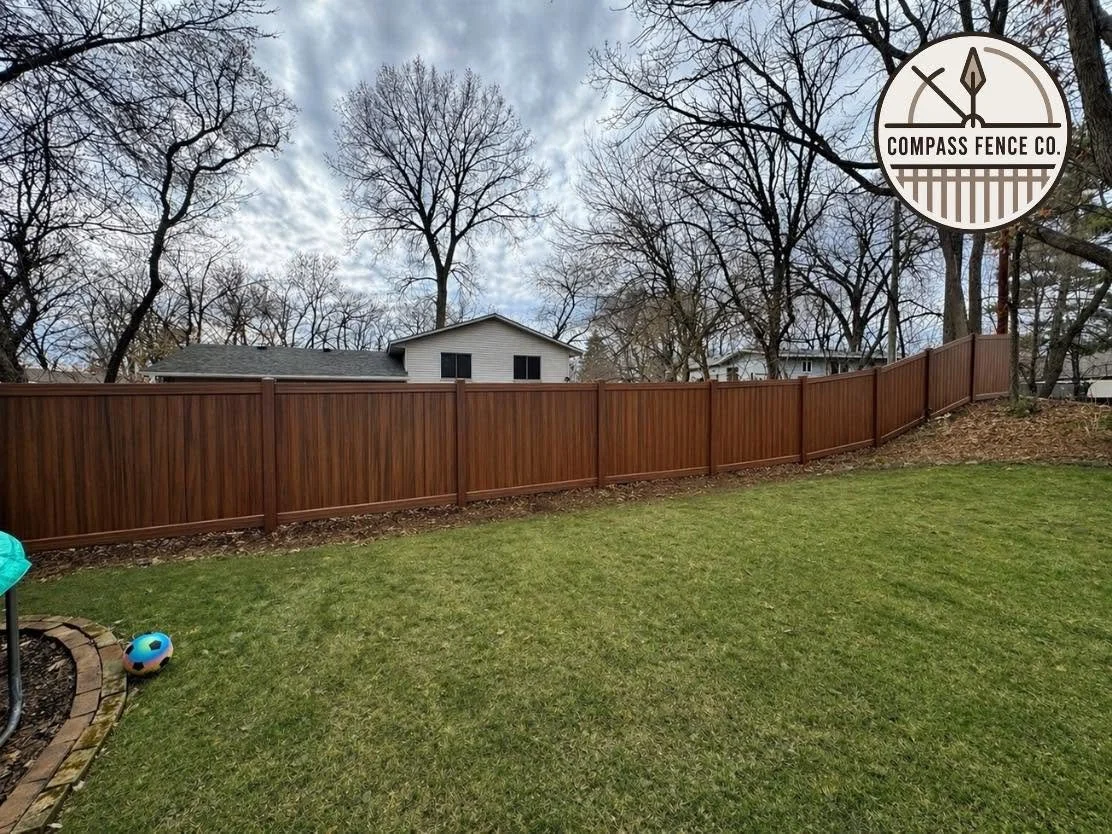
Vinyl fencing has earned its reputation for being low maintenance, and for good reason. The material won't rust, never needs a coat of paint, and holds up against temperature swings that would eventually warp or crack a wood fence. That kind of staying power is exactly why a top-rated fence company in Minneapolis, MN and a crew that handles vinyl fence Installation often steer homeowners toward it when they're weighing their options. Even so, the posts holding that fence upright tell a different story, and that's usually where our harsh Minneapolis winters leave their mark.
So if you've noticed a vinyl fence somewhere around the Twin Cities that's started leaning, sagging, or drifting out of level a few years after going in, the panels themselves are rarely the culprit. What's really happening is that the posts have shifted. Nearly every time, that shift comes down to one cause: the posts weren't set deep enough to sit below the frost line, the depth at which Minnesota soil freezes and pushes against whatever stands in its way.
What a Freeze-Thaw Cycle Actually Does to Soil
Minneapolis goes through dozens of freeze-thaw cycles every winter and into early spring. As temperatures drop, moisture in the soil turns to ice and expands. As temperatures rise, it thaws and contracts. That expansion and contraction applies upward pressure on anything embedded in the soil, including fence posts anchored in concrete.
The soil doesn't move uniformly. Clay-heavy soil, which covers a significant portion of the Twin Cities metro, holds moisture and expands more aggressively than sandy or rocky ground. The pressure isn't constant; it builds, releases, and builds again across the season. Over several cycles, that repeated movement can push a fence post measurably upward, breaking the grip between the concrete footing and the stable soil below and tilting the post away from its original position.
This is called frost heave, and it's one of the most consistent causes of fence failure in this climate. It doesn't announce itself dramatically. The first sign is usually a post that looks slightly off plumb. Then a panel that doesn't sit right. By the time it's visually obvious to someone walking by, the post has already moved well past the point where it's doing what it was designed to do.
Why Vinyl Fence Posts Are Particularly Vulnerable to Movement
Wood posts and metal posts both deal with frost heave in this climate. But vinyl fencing has a specific characteristic that makes post stability especially critical: the rigid panel system that gives vinyl its clean, finished look doesn't flex or absorb movement the way chain link fabric does.
When a post shifts in a chain link installation, the woven fabric adjusts. It's not a permanent fix, but the mesh accommodates some movement without catastrophic failure. When a post shifts in a vinyl installation, the rigid rail or panel either torques at the attachment point or the fitting connection fails. That rigidity is what makes vinyl look the way it does and why it holds its shape so well under normal conditions. But it also means that movement in one post transfers stress directly to the sections connected to it.
A vinyl fence with a shifting post shows problems faster and more visibly than chain link with the same underlying issue. The whole panel system is interconnected, and instability in one post affects the appearance and function of the fence on either side.
The Frost Line and Why It's the Target Depth for Every Post
Minnesota's frost line sits at 42 to 48 inches below grade, depending on location and soil type. Below that depth, the soil doesn't freeze in a typical Minnesota winter. A post footing set below the frost line is anchored in stable, unfrozen ground. The frozen soil above it may expand, but it can't get purchase on the footing to push the post upward. The physics of frost heave only work on posts that are embedded within the zone where soil actually freezes.
This is the correct professional installation standard for fence posts in Minnesota, and it's the depth we set every post on every installation we do. Not 24 inches. Not 30. At or below 42 to 48 inches, because anything less in this climate is setting up a problem with a predictable timeline.
The concrete footing matters alongside the depth. A properly poured footing that's allowed to cure before the post carries any load from the panel system anchors the post through the critical zone where frozen soil meets stable ground below. Done correctly, that's a stable installation for years. Done in a hurry or with too little cure time, you've introduced a variable that the first hard freeze will find.
Signs That a Vinyl Fence Wasn't Installed Deep Enough
You can't always tell what you're getting on installation day. Within one to three winters, though, frost heave leaves specific and recognizable signs.
Posts that lean or tilt away from plumb are the most obvious. If a post is leaning toward or away from the fence line when you look at it straight on, it has moved from its original position.
Rail connections that have loosened or cracked are a secondary sign. When a post moves, the rigid rail that spans to the adjacent post experiences stress at the bracket or fitting. Vinyl fittings aren't designed to flex at those connections, and repeated movement can crack them.
Panels that don't sit flush at the top, where one end is noticeably higher or lower than the other, usually indicate that one post has risen while the adjacent one hasn't. The panel didn't move; the post did, and the panel is showing it.
Gaps at the base of the fence, especially on sections that were installed flush with grade, are another sign. If daylight is showing underneath sections where none existed before, the post has risen from its original depth.
How We Protect Vinyl Fence Posts Against Freeze-Thaw Damage
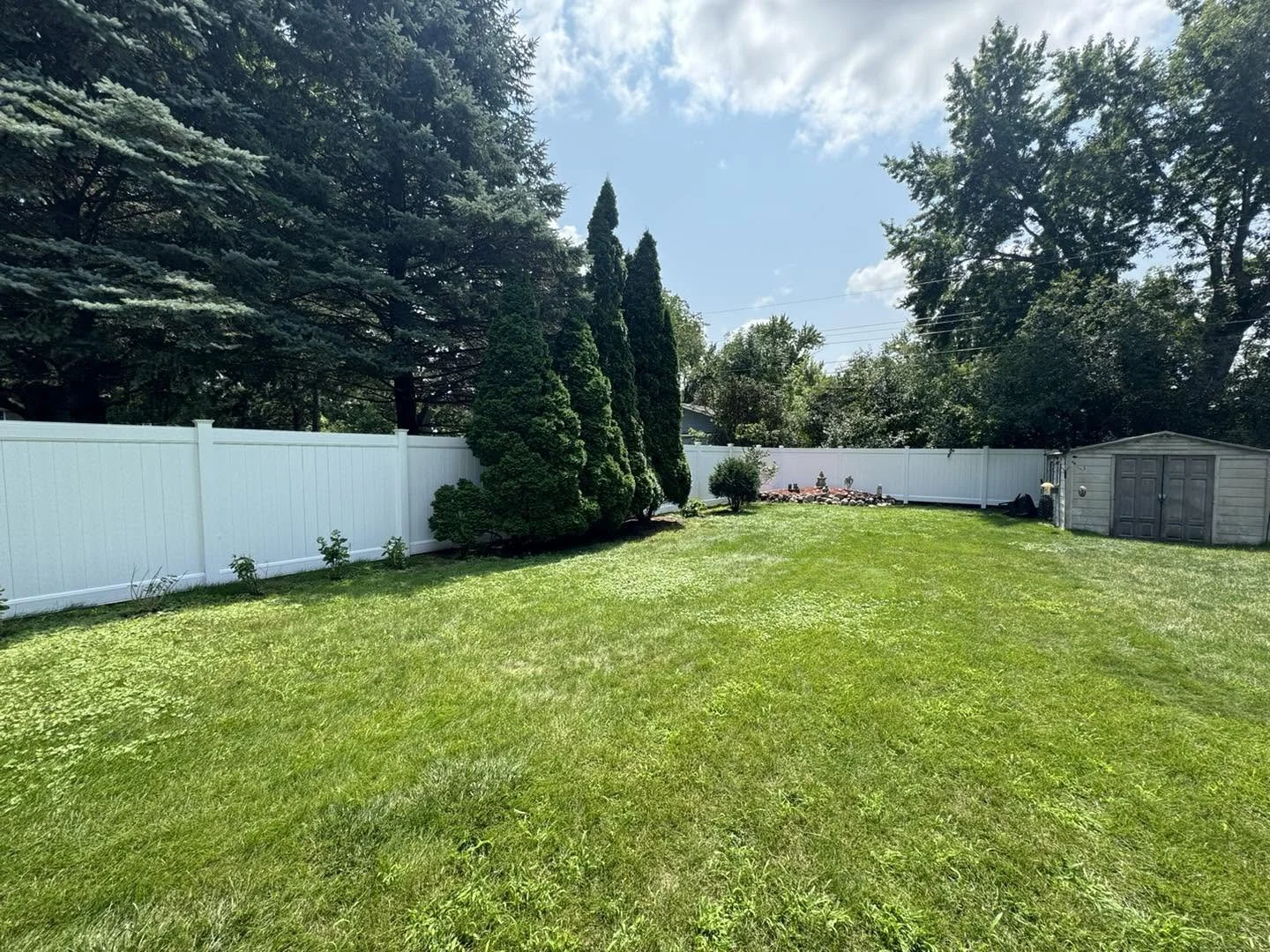
Every vinyl fence we install gets posts set at 42 to 48 inches below grade. That's not an upgrade we offer at a higher price point. It's the standard approach on every project we take on, regardless of yard size or fence run length.
Before any digging starts, we contact Gopher State One Call by dialing 811 to have underground utilities marked. That's a legal requirement in Minnesota before any excavation, and it protects against utility strikes during post-setting. We do it on every single job.
We allow proper cure time on the concrete footings before loading fence panels onto the post system. Rushing that step is a common shortcut, and a footing that hasn't cured fully doesn't anchor the post the way it should. The first significant freeze will reveal it.
The vinyl materials we use meet ASTM F964 standards, which defines minimum performance requirements for exterior vinyl fence profiles. And every installation we do is backed by a 10-year labor warranty. If something goes wrong with our workmanship within that window, the warranty claim comes back to us, the same team that installed it.
What to Ask Any Fence Contractor Before You Commit
If you're getting multiple quotes for a vinyl fence installation in Minneapolis, these are the questions that separate contractors who understand what Minnesota requires from those who don't.
Ask how deep they set posts. The correct answer is 42 to 48 inches. A contractor who quotes a shallower depth is telling you something meaningful about what your fence will look like after a few winters.
Ask whether they contact Gopher State One Call before digging. It's a legal requirement in Minnesota. If a contractor doesn't bring it up, ask directly and listen carefully to the answer.
Ask what their warranty covers and for how long. A contractor who backs their installation for 10 years is telling you they expect it to hold. One who offers one or two years may not have the same confidence.
The frost line isn't a technical detail that only matters to engineers. It's the practical difference between a vinyl fence that looks straight and stable in year fifteen and one that starts showing problems in year two. Installation quality in Minnesota comes down to whether the people doing the work actually understand what the climate requires, and whether they build to it every time, not just when someone's watching.
To learn more about how we approach fence installation in the Twin Cities, visit compassfenceco.com.
Related Topics: