How Long Does a Vinyl Fence Last in Minnesota's Climate?
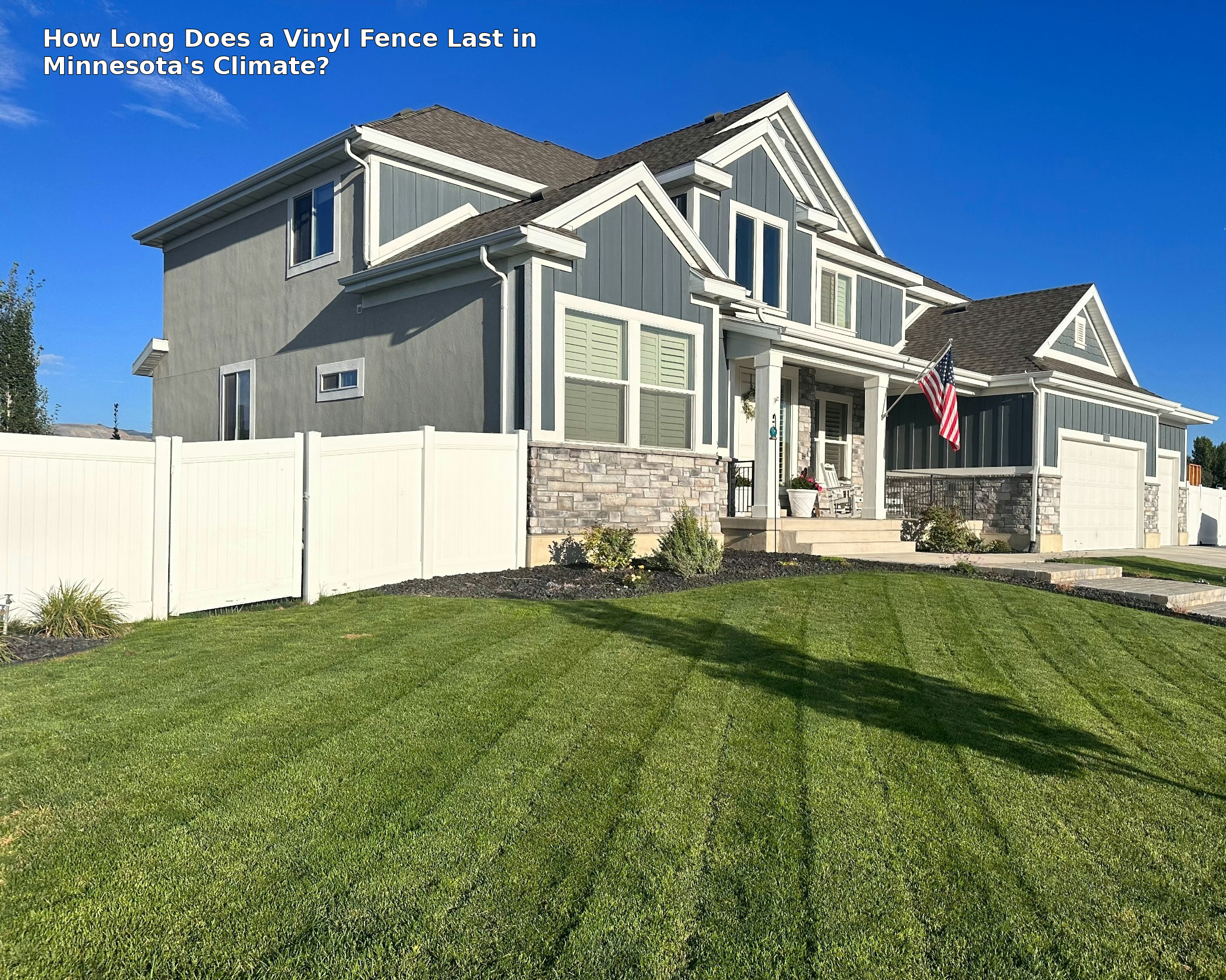
Vinyl fencing is popular around the Twin Cities because it does not rot, warp, or require staining as wood does. It also holds up well against moisture, snow, and cold weather when installed properly. Still, before choosing it, most homeowners want a realistic idea of how long it will last.
In many cases, a vinyl fence can last 20 to 30 years with simple maintenance. Minnesota weather can be hard on any fence, though, especially with frozen ground, spring thaw, heavy snow, and shifting soil. A quality fence company in Minneapolis, MN, will pay close attention to post depth, spacing, and support so the fence has a better chance of staying straight through years of winter weather.
What a Realistic Vinyl Fence Lifespan Looks Like in Minnesota
A vinyl fence installed to the right spec in the Twin Cities should hold up structurally for two decades or more. The range you will see is 20 to 30 years for panels and rails, with posts often lasting longer when they are set below the frost line.
That range narrows fast when shortcuts are taken. A post set at 24 inches instead of the required 42 to 48 inches below grade will heave in the first hard winter. A panel installed without room for thermal expansion will crack during a sharp cold snap. The material itself is durable. What fails early is almost always the install, not the vinyl.
At Compass Fence Co., every vinyl fence we install is built to Minnesota's frost-line depth requirement. Posts go in at 42 to 48 inches, depending on soil and location. That foundation is what gives the fence its full service life.
What Minnesota's Climate Does to Vinyl Fencing
Minnesota puts fences through a stress cycle that states with milder winters do not. The freeze-thaw pattern is the main factor. Temperatures drop below zero, the ground freezes, then it thaws in spring and repeats. Each cycle puts upward pressure on anything set in the soil.
Vinyl, as a material, handles this better than wood. It does not absorb moisture, so it does not rot when sitting in wet spring soil. It does not require annual sealing or staining to maintain a weather barrier.
What vinyl responds to is temperature extremes at the surface level. At very low temperatures, PVC becomes more brittle than it is in summer. A hard impact from a snow blower, a flying tree branch, or falling ice can crack a panel that would flex rather than break in warmer conditions. This is not a reason to avoid vinyl. It is a reason to know what to watch for after severe weather.
UV exposure across Minnesota's long summers also affects vinyl over time. Lower-quality vinyl turns yellow or chalky after years of sun exposure. Quality panels use UV inhibitors in the compound that slow this significantly.
How Post Depth Determines Whether Your Vinyl Fence Survives Minnesota Winters
Post depth is the single biggest factor in whether a vinyl fence lasts its full 20-to-30-year potential or starts failing inside of five years.
Minnesota's frost line sits between 42 and 48 inches below grade, depending on the soil and the specific location in the metro. A post set above that depth will heave upward as the frozen ground expands each winter. One winter of heaving might be minor. After three or four cycles, the post is visibly out of plumb, the panels are racking, and the gate is no longer square.
When we set posts at Compass Fence Co., we go below the frost line on every install. That commitment is part of what backs our 10-year labor warranty.
What Fails First on a Vinyl Fence in Minnesota
When vinyl fences fail before their expected lifespan, the failure almost always starts with a post, not a panel.
Posts are underground. They are in direct contact with the soil that expands and contracts through freeze-thaw cycles. A post that is too shallow, or one where the concrete footing was not properly formed, is the first thing to give way.
Panel failures are more visible but usually secondary. Cracking from a physical impact. Chalky discoloration from UV exposure over many years. Rail separation, where the panel tongue slips out of the post slot after repeated racking. These happen, but most of them trace back to either a post that has shifted or a panel that took a direct hit.
Gates are a part of a vinyl fence system that requires the most attention over time. Gate hardware takes the most wear. Hinges need periodic tightening. Latch alignment drifts when posts shift even slightly. A gate that is not adjusted after a hard winter can start dragging on the ground or refusing to latch.
How to Extend the Life of Your Vinyl Fence in Minnesota
Vinyl fencing requires far less maintenance than wood, but a few simple habits make a difference over the long run.
Walk the fence line in spring after the ground thaws. Look for any post that has shifted out of plumb. Catch a heaving post early, and it can often be reset before it pulls the surrounding panels out of alignment.
Rinse the fence once a year. A garden hose and a soft brush remove the surface layer of dirt, pollen, and mildew that accumulates in the joints between panels. This keeps the fence looking the way it did when installed and allows you to spot hairline cracks before they spread.
Check gate hardware after the first hard winter. Tighten hinge bolts. Adjust latch alignment if the gate has drifted even slightly. Five minutes in April can prevent a gate that is dragging or not latching by July.
Avoid aiming a steel-blade snow blower discharge directly at the fence. The vinyl is tougher than it looks, but a hard impact from an icy snow chunk at high velocity is the kind of thing that cracks a panel when temperatures are below zero.
Signs Your Vinyl Fence Is Reaching the End of Its Service Life
A well-installed vinyl fence in Minnesota should not be showing end-of-life signs before year 15. If you are seeing these before that point, the original install is worth reviewing.
Posts that are leaning out of plumb and return to a lean after being adjusted are a clear signal. Once a post has heaved enough times that it no longer holds its position, the footing is no longer functioning.
Panels that are yellowed throughout rather than just surface-dirty are another sign. A garden hose removes surface dirt and mildew. If the vinyl itself has yellowed to the core, UV degradation has set in. This is cosmetic for a while, but it also signals that the material compound has been weakening.
Rail ends that have pulled out of post slots repeatedly are a sign that the post alignment has shifted past the point where the panel system can accommodate it. Widespread cracking across multiple panels, as opposed to one cracked panel from an isolated impact, indicates the posts have moved enough to put the panels under structural stress.
Vinyl vs. Wood in Minnesota: Which Lasts Longer
This comparison comes up often for Twin Cities homeowners deciding between the two materials for a privacy fence.
Wood privacy fence in Minnesota has a realistic lifespan of 10 to 15 years with regular maintenance. Staining or sealing every two to three years, addressing rot at posts and bottom rails, and replacing boards as they warp. Without maintenance, a wood privacy fence in Minnesota can start showing serious deterioration in seven to ten years.
A correctly installed vinyl fence will last 20 to 30 years with far less annual upkeep than wood requires. You are trading a lower material cost upfront for more ongoing labor and a shorter replacement cycle when you go with wood. Our vinyl fence installation page covers the full range of options we offer in the Twin Cities, so you can see what the product looks like before requesting an estimate.
When to Repair vs. Replace Your Vinyl Fence in Minnesota
Repair makes sense when the problem is isolated. One leaning post has not yet affected the surrounding panels. One cracked panel from an impact. A gate that needs hardware adjustment. These are targeted fixes that extend the fence's life without requiring a full replacement.
Replacement is the right call when the posts have heaved enough that multiple sections are out of alignment, when the vinyl has yellowed throughout, or when the fence has passed the 20-year mark and is showing multiple failure points at once. At that stage, patching individual sections costs more over three to five years than a full replacement that restarts the warranty clock.
We walk through both options during every free estimate. If your fence can be repaired and that is the right economic call, we will tell you. If replacement is where this is heading within two years, regardless of the repair, we will tell you that too. You can see our fence replacement service for more details on what that process looks like.
Frequently Asked Questions
How long does a vinyl fence last in Minnesota? A correctly installed vinyl fence in Minnesota lasts 20 to 30 years. The key factor is post depth. Posts set below the frost line at 42 to 48 inches resist the freeze-thaw heaving that causes most early failures. Installs with shallow posts often start failing within five years.
Does cold weather crack vinyl fences? Vinyl becomes more brittle at very low temperatures. It does not crack from cold alone under normal conditions, but a hard physical impact from a snow blower, falling ice, or a large branch during a cold snap can crack a panel that would flex in warmer weather. Quality vinyl with UV inhibitors handles temperature extremes better than lower-grade material.
How do I know if my vinyl fence posts need replacing? The clearest sign is a post that has shifted out of plumb and keeps returning to a lean even after being adjusted. Other signs include panels racking or pulling out of alignment along a section, and gate posts that are no longer square enough for the gate to latch correctly.
Does a vinyl fence need maintenance in Minnesota? Less than wood, but not zero. A spring walkthrough after the ground thaws, a rinse with a garden hose once a year, and gate hardware checks after hard winters are the main tasks. These take a few hours a year and extend the fence's service life compared to leaving it entirely unattended.
What is the most common vinyl fence failure in Minnesota winters? Frost heave on posts that were set above the frost line. When a post is not buried below the 42-to-48-inch frost depth, the freezing ground pushes it upward each winter. Over a few seasons, this misaligns the panels, racks the rails, and eventually pulls the fence out of shape.
How does vinyl compare to wood for longevity in Minnesota? Vinyl lasts significantly longer. A wood privacy fence in Minnesota realistically lasts 10 to 15 years with regular staining and maintenance. Vinyl with proper installation lasts 20 to 30 years with minimal upkeep. The higher upfront cost for vinyl is generally offset by the longer replacement cycle and lower annual maintenance.
Ready to Upgrade Your Property with a Quality Fence?
Whether you’re planning a new fence installation, need a replacement, or just want expert advice on the best fence type for your home or business, Compass Fence Co has you covered. With decades of local experience, multiple fencing options including ornamental steel, vinyl privacy, and chain-link fences, and a commitment to doing the job right the first time, they’re ready to help bring your project to life.
Call:(612) 310-4279
Email: dtalach@compassfenceco.com
Serving Minneapolis, St. Paul, Cottage Grove, Maple Grove, Woodbury, Eagan, Lakeville, Wyoming, and surrounding metro areas, get your free estimate and personalized fencing solution today!
Related Topics: