Chain Link Fence Installation Process in Minneapolis: Step-by-Step From Ground Prep to Tensioning
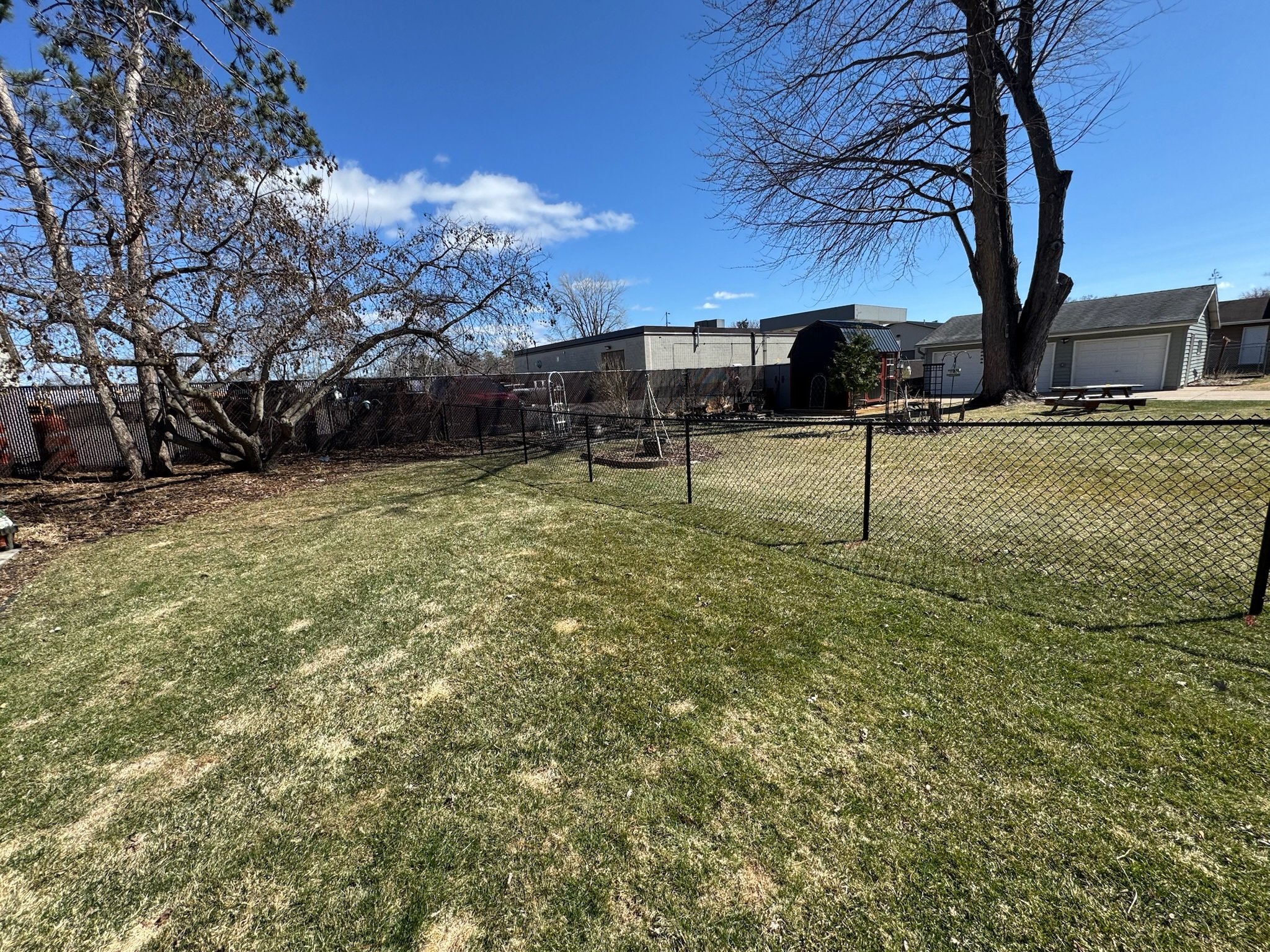
Chain link fencing may look simple once it is finished, but there is a lot that has to happen before the mesh goes up. The posts need to be set deep enough for Minnesota winters. The fence line needs to be measured correctly. The mesh has to be stretched tight so it does not sag after the first season.
That is why working with an expert fence company in Minneapolis, MN, matters. A good chain link fence is not just about the material. It is about the layout, post depth, concrete work, tensioning, and gate adjustment.
What Happens Before the Install Starts
Before any digging starts, the permit, utility locates, and property lines need to be handled. Many fence projects in Minneapolis require a building permit through the city’s Department of Community Planning and Economic Development. The exact requirement depends on fence height, location, and zoning rules.
We review permit needs during the free estimate so homeowners know what to expect. After that, we submit a locate request through Gopher State One Call before digging. Minnesota law requires this so that underground gas, electric, water, and fiber lines can be marked.
Property line confirmation is the homeowner’s responsibility. If the fence is going near the property line, the line should be confirmed with visible property pins. If the pins cannot be found, it is usually safer to place the fence a few inches inside the line.
Step 1: Layout and Marking the Fence Line
On install day, we walk the fence line with the homeowner before work begins. We confirm where the fence will run, where the gates will go, and where the corner, end, and line posts need to be placed. This is the best time to catch small changes before holes are dug.
Terminal posts are marked at corners, ends, and both sides of gate openings. These posts carry more stress than regular line posts, so they need to be placed carefully. If a terminal post is off, the rest of the fence will show it.
Gate openings are measured with the hardware in mind. The opening needs room for the gate frame, hinges, latch, and swing clearance.
Step 2: Digging Post Holes to Frost-Line Depth
Post depth is one of the biggest differences between a fence that lasts and one that starts leaning. In the Twin Cities, fence posts need to go below the frost line, which is commonly around 42 to 48 inches, depending on soil and location.
This helps prevent frost heave during freeze-thaw cycles. A shallow post may look fine at first, but it can shift after a few Minnesota winters. Once the posts move, the rails, mesh, and gates move with them.
We use a power auger sized for the posts. The hole is usually about three times the width of the post, so there is enough room for concrete. On sloped yards, the depth may be adjusted so the finished fence line stays consistent.
Step 3: Setting Terminal and Corner Posts
Terminal posts go in before the rest of the fence. These are the anchor points for each run, so they need to be straight, solid, and properly spaced. Corner posts, end posts, and gate posts all fall into this group.
Each post is checked for plumb before concrete is poured. The post height is also checked against the fence height. Concrete is shaped slightly at the top so water drains away from the post instead of sitting around it.
These posts usually need 24 to 48 hours to cure before the fence is stretched against them. It is not worth rushing this step. Concrete that has not cured enough can shift once tension is added.
Step 4: Setting Line Posts
After the terminal posts are ready, line posts are set along each run. Most residential chain link fences in Minneapolis use line posts spaced about 10 feet apart. Spacing may change a little based on the yard, slope, and fence layout.
Line posts support the top rail and help keep the mesh even. They do not take the same load as terminal posts, but they still need to be straight and aligned. If they are uneven, the top rail and mesh will not look right.
Good line post placement gives the fence a clean, steady look from one end to the other.
Step 5: Installing the Top Rail
The top rail runs through the loop caps on the line posts and connects between terminal posts. It gives the fence its horizontal support and helps keep the mesh upright. Without a properly installed top rail, the fence can sway and look uneven.
On flat ground, the rail usually runs level. On a slope, the fence can either follow the grade or step down in sections. The best choice depends on the slope and what the homeowner wants the finished fence to look like.
Rail sections are joined with sleeve couplings. At the ends, the rail sits into a rail end cap attached to the terminal post.
Step 6: Unrolling and Attaching the Chain Link Mesh
Once the frame is ready, the chain link mesh is rolled out along the fence line. The wire gauge and coating are chosen before the job starts. Common options include galvanized chain link and black vinyl-coated chain link.
The mesh is attached to the first terminal post using a tension bar and tension bands. The tension bar slides through the end of the mesh and bolts to the bands on the post. This gives the crew a strong starting point for stretching.
If the mesh starts crooked, it can be hard to fix later. That is why this step needs to be lined up carefully before tension is applied.
Step 7: Tensioning the Mesh
Tensioning is what makes a chain link fence look finished. Loose mesh can sag, rattle in the wind, and pull away from the posts. Properly tensioned mesh stays firm without bending the diamond pattern out of shape.
We use a fence stretcher bar to pull the mesh tight toward the far terminal post. One crew member pulls tension while another checks the run for alignment and tightness. Once the mesh is firm, it is secured with another tension bar and bands at the far end.
After that, ties are added along the top rail and line posts. A bottom tension wire or bottom rail may also be installed. For yards with dogs, a tight bottom tension wire helps close the gap near the ground.
Step 8: Installing Gates
Gates are installed after the main fence is in place. Gate posts are set below the frost line and usually get a wider concrete footing because they carry the gate’s weight and swing. This helps the gate stay aligned over time.
Gate frames are hung with adjustable hinges. These hinges allow the crew to fine-tune the gate after installation. The latch is then installed and adjusted so the gate closes cleanly.
Fork latches, lockable latches, self-closing hinges, and driveway gate hardware are available depending on how the gate will be used.
Step 9: Final Walkthrough and Your Warranty Coverage
Before the job is finished, we walk the fence line with the homeowner. We check post alignment, mesh tension, top rail placement, gate swing, and latch function. If something needs a small adjustment, we handle it before leaving.
Every chain link fence we install is backed by a 10-year labor warranty. That covers workmanship on post setting, rail and mesh attachment, and gate alignment. If an installation issue comes up during that window, we come back and fix it.
A chain link fence can hold up well in Minneapolis when it is installed correctly from the start. Deep posts, solid concrete, tight mesh, and properly adjusted gates are what make the difference.
Related Topics: