Vinyl Fence Panel vs Post Failure in Minneapolis: What Breaks First and Why
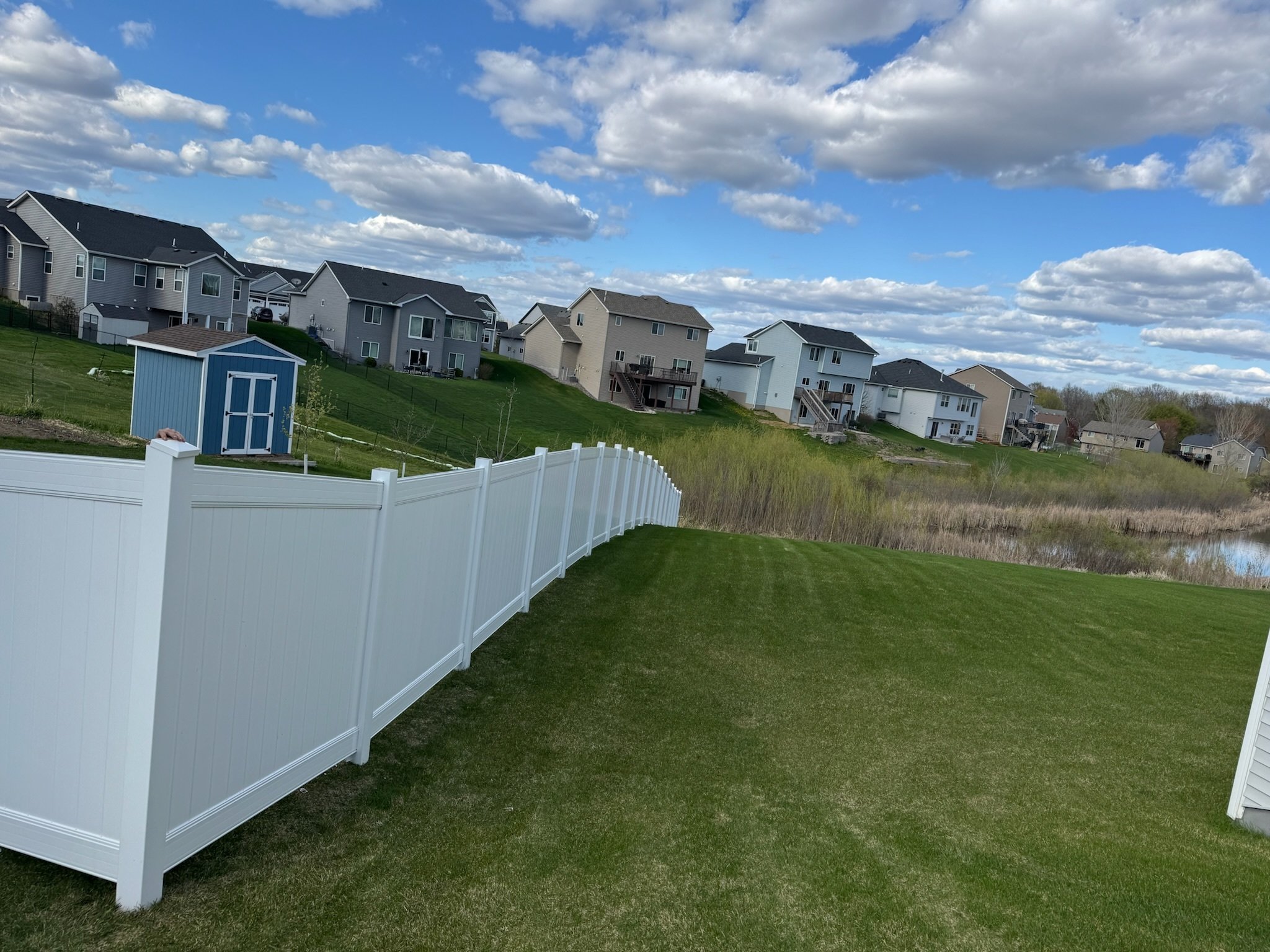
When a vinyl fence starts leaning, sagging, or coming apart, the first thing to figure out is whether the problem is the panel or the post. They can look similar from a distance, but the repairs are very different. Professional fence services can help identify the real issue before one small problem spreads through the rest of the fence.
In Minneapolis, post problems are often tied to winter ground movement. Panel problems are more often caused by impact, age, or sun exposure. Knowing the difference can save you from replacing parts that were never the real problem.
Why the Panel vs Post Distinction Matters for Minneapolis Homeowners
A cracked panel is usually a simpler fix than a failing post. If the fence line is still straight and the posts are solid, the damaged panel can often be replaced on its own. That kind of repair is usually quick and contained.
A failing post is a structural issue. The post supports the rails and panels around it. If it starts leaning or lifting, the fence sections on both sides can shift out of place.
This is why it matters to find the source of the problem. Replacing a panel without fixing the post may make the fence look better for a while, but the same issue can come back.
What Minnesota Winters Do to Vinyl Fence Posts
Fence posts deal directly with Minnesota’s freeze-thaw cycle. In the Twin Cities, the frost line is usually around 42 to 48 inches below the ground, depending on the soil and location. Posts need to be set deep enough to stay anchored below that movement.
If a post is set too shallow, the frozen soil can push it upward over time. It may only move a little each winter, but after a few seasons, the post can start leaning. Once that happens, the rails and panels attached to it can move too.
This is one of the most common reasons vinyl fences fail in Minneapolis. The vinyl itself may still be fine, but the post is no longer holding the fence straight.
What Minnesota Winters Do to Vinyl Fence Panels
Panels face a different kind of stress because they sit above ground. Vinyl can become more brittle in very cold weather. A hit from a snow blower, a falling branch, or even a vehicle bump during a cold snap can crack a panel that might have flexed in warmer weather.
Sun exposure also matters over time. Lower-quality vinyl can yellow, chalk, or weaken after years of direct sunlight. A south or southwest-facing fence section may show this faster because it gets more afternoon sun.
Cold weather and UV exposure do not always ruin a panel right away. They usually weaken it slowly, making cracks or breaks more likely later.
The Most Common Post Failures in Vinyl Fences
Frost heave is the most common post issue in Minneapolis. This happens when the post was not set deep enough, and winter ground movement pushes it upward. The post starts leaning, and the attached fence section begins to rack or pull apart.
Concrete footing problems can also cause failure. If the footing is too small, mixed poorly, or shaped in a way that lets water sit around the base, the post may loosen. Wind can then make the movement worse.
Gate posts deserve special attention. They carry more weight and movement than regular line posts. If a gate starts dragging, will not latch, or swings open by itself, the hinge-side post is often the first place to check.
The Most Common Panel Failures in Vinyl Fences
Impact cracks are the easiest panel failures to spot. They often start where something hits the fence or where stress is concentrated near a joint. Once a vinyl panel cracks, it should usually be replaced before the damage gets worse.
Rail separation can look like a panel issue, but it is often caused by a moving post. If the post shifts, the rail slots move with it. The rails can slip out, making the panel sag or fall out of position.
Discoloration is usually a material quality or sun exposure issue. It may not mean the fence is structurally failing right away, but it can be a sign the vinyl is becoming more brittle.
How to Tell if Your Post Is the Problem
Stand at one end of the fence and look down the line. A healthy fence should look straight from post to post. If one post is leaning, rising, or pulling nearby panels out of line, the post is likely the issue.
Check the gate area too. A gate that drags, misses the latch, or looks tilted often points to a shifted gate post. An inspection at the post can confirm whether it is still plumb.
If panels on both sides of one post are racking, the panel is usually not the main problem. The post between them has likely moved.
How to Tell if Your Panel Is the Problem
Panel damage is usually easier to see. A crack in the panel face, a broken rail tongue, or a discolored section can point to a panel-level issue. This is especially true if the posts on both sides are still straight.
If only one panel has pulled loose and the nearby posts are plumb, the rail or panel connection may have failed. If the surrounding fence line looks good, a targeted panel repair may be enough.
Localized discoloration can also point to panel wear. This often happens on fence sections that get strong direct sun for years.
When Post Failure Leads to Panel Damage
Post failure often starts quietly. A shallow post moves a little during the first few winters. Then it leans more. The rail slots shift, the rails start to pull, and the panels begin to sag.
By the time the panel is visibly loose, the post may have been moving for years. Replacing only the panel may fix the appearance for a short time, but it will not stop the post from continuing to move.
This is why a proper inspection matters. The visible damage is not always the original cause.
Repair or Replace: How to Decide
If the posts are straight and the damage is limited to one or two panels, repair usually makes sense. A panel replacement is much simpler than rebuilding an entire section of fence. It also costs less when the rest of the fence is still in good shape.
If one or more posts are leaning because of frost heave, the post needs to be reset before the panel repair is done. If several posts are affected, or if the fence is 15 years old or older, replacement may be the better long-term choice.
A full replacement resets the fence with proper post depth, a new installation warranty, and fewer patchwork repairs. For Minneapolis homeowners, that can be the smarter option when winter movement has already spread through multiple sections.
Related Topics: