Are Ornamental Fences HOA-Compliant in Minneapolis? Rules, Height Limits, and Design Restrictions
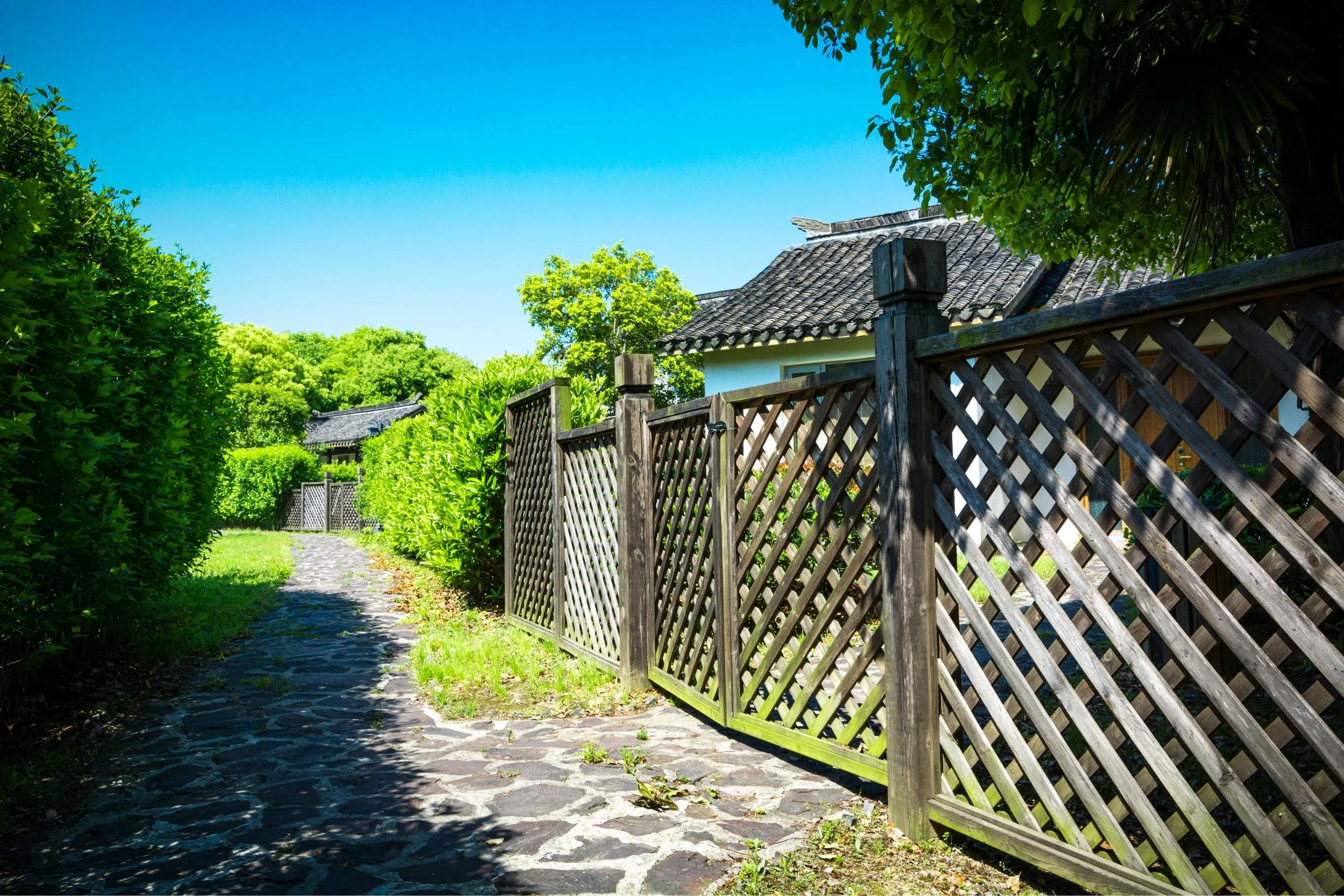
Ornamental steel fences are a common choice for Twin Cities HOA neighborhoods because they look clean, uniform, and finished. If you are working with a recommended fence company, they should help you compare your HOA rules with the Minneapolis city code before the project starts. Approval is not automatic, but the process is much easier when the fence design matches the community guidelines from the beginning.
What HOA Rules Typically Cover for Ornamental Fences
HOA fence rules are usually found in the community’s CC&Rs or architectural guidelines. These documents explain what homeowners can install and what needs approval before work begins. Ornamental steel and ornamental aluminum are often accepted because they have a consistent look and hold up well.
Most HOA rules cover height, materials, colors, and picket styles. Backyard fences are often capped at 6 feet, while front yard fences are usually limited to 3 or 4 feet. Black powder-coat is the most common approved finish, though some communities may allow bronze or dark green.
Height Limits for Ornamental Fences in Minneapolis
The Minneapolis city code sets the baseline for fence height. In many residential areas, rear yard fences can be up to 6 feet tall. Front yard fences are usually more limited, often around 3 to 4 feet.
Corner lots may have extra sightline rules near intersections. These rules help keep drivers, cyclists, and pedestrians visible. If your home is in an HOA, the HOA can be stricter than the city.
If Minneapolis allows a 6-foot backyard fence but your HOA only allows 5 feet, you need to follow the 5-foot limit. We review height limits during the free estimate and help confirm what works for both the city and your HOA.
Design and Material Restrictions in Minneapolis HOA Communities
Ornamental steel comes in several common styles, including flat-top rails, spear-top pickets, and designs with decorative scrolls. Some HOAs approve all of these, while others limit homeowners to one or two styles. Checking the architectural guidelines before choosing a profile can save time.
Some communities have a pre-approved fence list. If your HOA has one, using that list can speed up approval. If there is no list, your submission should include height, material, color, post spacing, picket style, and gate locations.
Materials that often create problems include uncoated galvanized chain link in front-facing areas, wood privacy fencing in communities that require open-style fencing, and any fence that looks unfinished or damaged. Ornamental steel with a black powder-coat finish is rarely rejected solely on the basis of the material.
How Minneapolis City Code and HOA Rules Interact
City code and HOA rules are separate. A city permit does not mean your HOA has approved the fence. HOA approval also does not mean the city permit has been handled.
When the two sets of rules differ, the stricter rule prevails. You need to satisfy both before installation begins. That is why it helps to secure HOA approval first, then move forward with the city permit.
HOA approval confirms the look and design. The city permit confirms the fence meets code, height, and placement requirements. We confirm both pieces before scheduling installation.
Getting HOA Approval Before You Install
Start by finding your CC&Rs and architectural guidelines. These are often included with closing documents or available from your HOA management company. Look for fence rules covering material, height, color, gates, and placement.
Then prepare a clear scope of work. This should show the fence material, height, black powder-coat finish, picket profile, post spacing, and gate locations. Many HOAs also want a site plan showing where the fence will be located on the property.
Architectural review committees may take one to four weeks to respond. Some meet monthly, while others review requests as they come in. Always get written approval before installation, since verbal approval may not protect you later.
We can provide a written scope, fence line diagram, and product details for your HOA submission. Having everything in one packet usually makes review easier for the committee.
How We Handle HOA-Adjacent Projects
We install ornamental steel fences in HOA communities across the Twin Cities. Before quoting an HOA project, we ask to review the CC&Rs or architectural guidelines. That helps us confirm the height, color, and style before you submit the request.
We do not install fences that violate HOA rules. The risk of fines, removal, or a dispute with the architectural committee is not worth the cost of skipping the process. It is better to get the approval right before digging starts.
If you are planning an ornamental steel fence in an HOA neighborhood, contact us at (612) 310-4279 or dtalach@compassfenceco.com. We can walk through the process during a free on-site estimate.
Related Topics: