Commercial Chain Link Fence Specifications in Minneapolis: Height, Gauge, and Security Standards
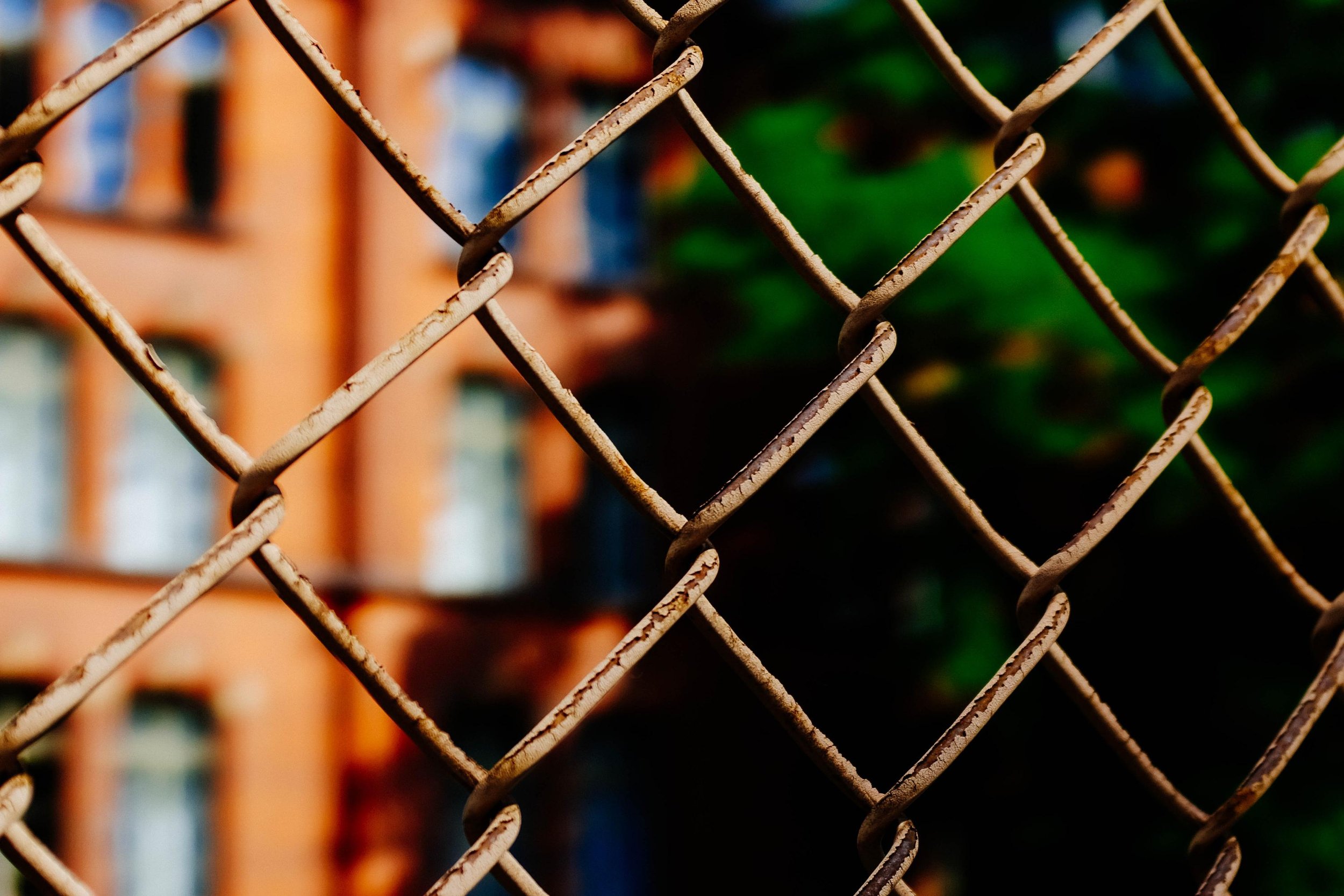
Commercial chain-link fencing must be built for the property it protects. A small contractor. Commercial chain-link fencing must be built for the property it protects. Commercial fence services should start with the basics: fence height, wire gauge, post size, gate layout, and any added security needs.
Getting those details right before installation saves time later. It can help avoid permit delays, weak spots, or changes that should have been handled before the first post went in.
Standard Commercial Chain Link Fence Heights in Minneapolis
Residential chain link is often 4 to 6 feet tall. Commercial chain link usually starts at 6 feet and may go to 8, 10, or 12 feet, depending on the site. A fence is more common when security is the main goal. It creates a stronger barrier without always needing barbed wire.
Fences that are 10 to 12 feet tall are usually used for higher-security properties, such as utility yards. Fences 10 to 12 feet tall are usually used for high-security properties, utility yards, or sites where trespassing has been a problem. We confirm the correct height during the site visit based on the property layout, local rules, and the fence's intended purpose. chain link fabric is. The lower the number, the stronger the wire.
For many commercial properties in the Twin Cities, 9-gauge is the usual choice because it holds up better than lighter residential mesh. It is used for industrial or higher-security sites. Most commercial chain link uses a 2-inch diamond mesh.
If climbing or cutting is a concern, smaller mesh openings may make sense. That is something we review during the estimate to ensure the fence is neither overbuilt nor underbuilt for the site. racial option. It handles Minnesota weather well, resists rust, and keeps the project cost lower. For back lots, storage yards, and contractor spaces, it is often the most practical choice.
Black vinyl-coated chain link has a cleaner look. It still has a galvanized core, but the black coating gives the fence a more finished appearance. It costs more, but it can be worth it for street-facing areas or properties where appearance matters.
Both options work well. The better choice depends on where the fence is being installed and how visible it will be.
Post and Framework Specifications for Commercial Installations
The posts and rails matter just as much as the chain link fabric. Commercial fencing requires a stronger framework than backyard fencing. Post size, rail strength, and fitting. Commercial fencing requires a stronger framework than backyard fencing.
Corner posts, end posts, and gate posts take the most stress. If those posts are too small, the fence can start leaning or sagging over time. Gate posts need special attention because they carry the weight and movement of the gate.
This is especially true for commercial driveway gates. A gate that gets opened every day needs the right frame and post setup from the start.
Security Standards and Anti-Climb Configurations
Some commercial sites need more than a basic fence line. Barbed wire is common for storage yards, utility lots, and contractor properties. It is usually installed on outward-facing angled arms at the top of the fence.
Razor ribbon may be used for sites with higher theft or trespass concerns. A smaller mesh can also make the fence harder to climb or cut. The goal is to match the security setup. A smaller mesh can also make the fence harder to climb or cut. purpose.
Gate style matters too. Swing gates work well in many locations, but slide gates may be better where space is tight or trafSwing gates work well in many locations, but slide gates may be better where space is tight, or traffic flow makes a swing gate awkward.is going through the City of Minneapolis Department of Community Planning and Economic Development.
These projects often need a site plan showing the property lines, buildings, and where the fence will go. Permit processing often takes two to four weeks.
In St. Paul, commercial fence permits go through the Department of Safety and Inspections. Before digging starts, Minnesota law also requires a Gopher State One Call request so utilities can be marked.
We help with permit steps when needed or provide the documents the property owner needs to submit.
How We Approach Commercial Chain Link Projects
We install commercial chain link fences for small businesses, property managers, and light industrial sites across the Twin Cities. The process starts with a site visit and a written quote. From there, we help with permit requirements, submit the Gopher State One Call request, and install the fence with our in-house crew.
We do not hand the job off to subcontractors. The same team that reviews the site is involved in getting the fence installed correctly.
Commercial chain link projects are backed by our 10-year labor warranty and the applicable manufactCommercial chain link projects are backed by our 10-year labor warranty and the applicable manufacturer's warranty.
Related Topics: