Fence Installation Scheduling in Minneapolis: Best Time of Year, Contractor Availability, and Lead Times
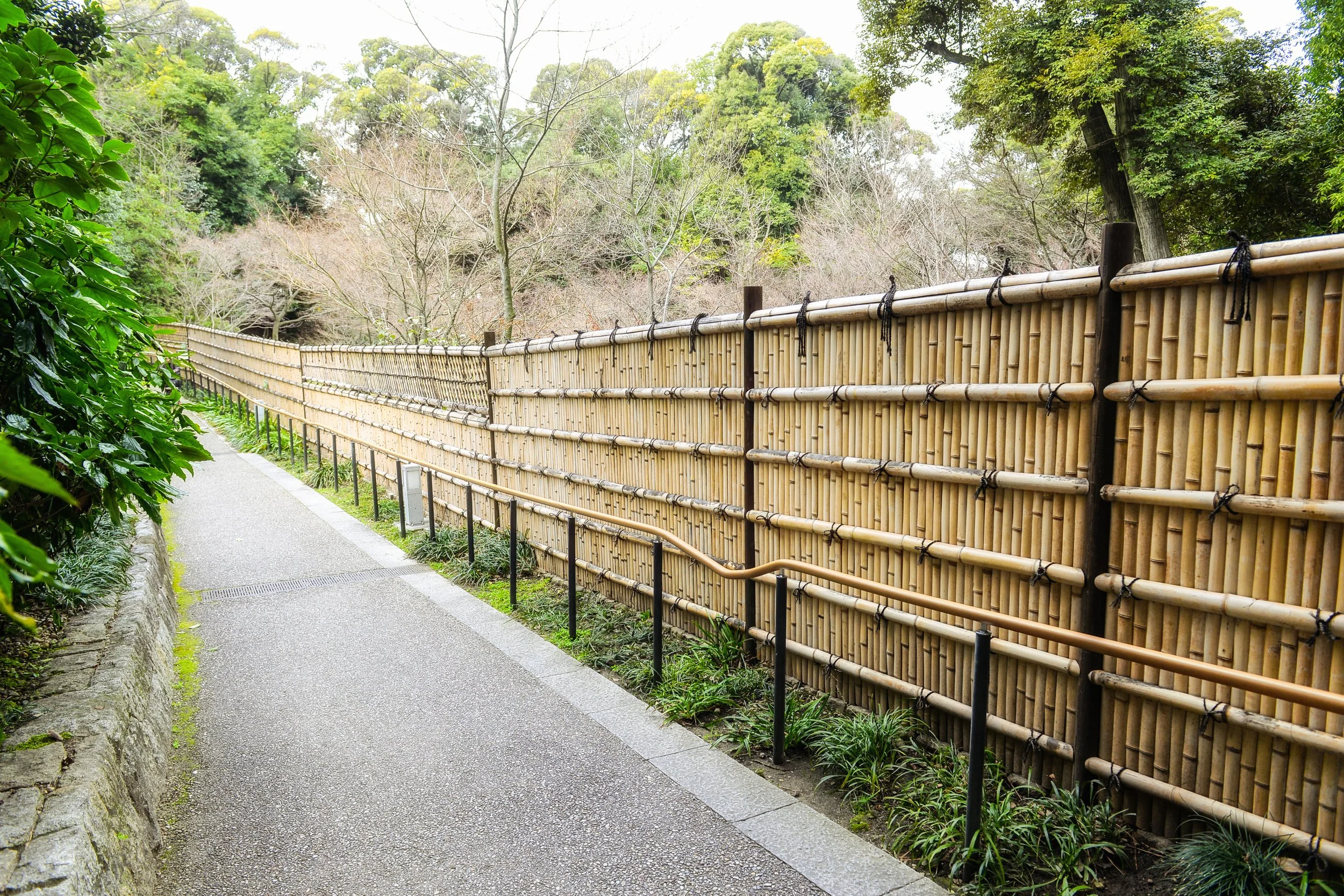
Planning a fence project in Minneapolis takes more than picking a sunny week. Weather, permits, utility locates, material availability, and contractor schedules all affect when the work can happen. Working with a reputable fence company in Minneapolis, MN, helps you plan around those steps instead of being surprised by them later.
For most homeowners, starting the conversation four to eight weeks before the target install date is the safest move during busy season. That gives enough time for an estimate, quote approval, permit review, material ordering, and scheduling.
When Is the Best Time of Year to Install a Fence in Minneapolis?
The best window for fence installation in Minneapolis usually runs from April through October. During that stretch, the ground can be dug to proper post depth, concrete cures well, and schedules are easier to predict.
Spring is popular because many homeowners want the yard ready before summer. April and May are good months to start, but May fills quickly across the Twin Cities. If you need a fence for kids, pets, or a pool project, it is better to call early.
Summer is peak season. From June through August, contractor schedules are usually the tightest. If you start planning in late June, expect a longer wait before installation.
Fall is often overlooked, but it can be a great time for a fence project. September and October still offer good ground conditions, and contractor availability may open up. Winter installs are possible in mild stretches, but frozen ground can stop digging to Minnesota’s required frost-line depth.
How Far in Advance Should You Book a Fence Contractor?
During peak season, plan to book four to six weeks before your preferred install date. This is especially true for projects in Minneapolis or St. Paul, where permits can take one to four weeks. Open install slots can disappear fast once warm weather arrives.
Outside peak season, two to three weeks may be enough. Early spring and fall projects often move faster because schedules are less crowded. The estimated visit can usually happen within a week of your call.
After the estimate is approved, the timeline depends on permits, materials, utility marking, and the installation schedule. We give you a clear start date when the project is booked. Weather and permit timing are discussed upfront, so you know what could affect the schedule.
What Causes Delays in Twin Cities Fence Installation Projects?
Permit timing is one of the most common causes of delay. Minneapolis permits through the Department of Community Planning and Economic Development can take two to four weeks. Permits through the Department of Safety and Inspections can follow a similar timeline.
Material lead times can also affect the schedule. Chain link, vinyl, and ornamental steel are often available quickly, but custom gates, unusual post heights, and non-standard colors can take longer. We confirm material availability before the job is booked.
Every project also needs a Gopher State One Call dig request before post holes are dug. Utility locators usually mark lines within 48 to 72 hours. Heavy rain, late fall freezes, rocky soil, clay-heavy yards, old concrete, roots, or buried posts can also add time.
Does Compass Fence Co. Install Fences Year-Round?
Yes, we install fences year-round when ground conditions allow. The main install season in the Twin Cities runs from April through November. Winter work depends on whether the ground can be dug to the correct frost-line depth.
If the ground is frozen too hard, the project has to wait. Proper post depth matters for long-term stability, especially in Minnesota’s freeze-thaw cycles. We will give you an honest answer about what is realistic for your project and the season.
How Permits Affect Your Fence Installation Timeline
A permit can add real time to a fence project. During the free estimate, we confirm whether your project needs one. Requirements vary by city, fence height, and whether the fence is in a front yard, side yard, or backyard.
Once we know what is required, we either pull the permit for you or walk you through the city’s process. Minneapolis and St. Paul require permits for many residential fence projects. Suburban cities may move faster, and some outer-area cities can approve permits within a few days.
Permit approval must happen before digging starts. Planning an install date without allowing for permit time is one of the most common scheduling mistakes homeowners make. We help build that timing into the project from the start.
How to Keep Your Project on Schedule
Clear property lines help avoid delays. If the fence will run near a boundary, locate your property pins before installation day. If pins are missing or unclear, a survey may be needed before work can continue.
Clear the fence line before the crew arrives. Move patio furniture, planters, garden edging, boulders, and other items within about two feet of the planned fence line. This gives the crew room to dig, set posts, and work safely.
Private systems need to be marked too. Gopher State One Call marks public utilities, but not private irrigation lines or invisible dog fences. It also helps to notify neighbors ahead of time, especially if the fence runs along a shared property line.
Related Topics: