Galvanized vs Vinyl-Coated Chain Link Fences in Minneapolis (Cost, Lifespan, and Use Cases)
October 20, 2026 · 5 min read
Both finishes start as the same steel wire mesh. The difference is just what goes over it. Galvanized carries a zinc coating and costs less per linear foot. Black vinyl-coated adds a PVC layer on top of that zinc, which buys you a second weather barrier and a darker line across the yard.
As a reliable fence company working across the Twin Cities metro, we install both in 4-, 5-, and 6-foot heights. Every post goes below the frost line either way, backed by a 10-year labor warranty. Honestly, the choice usually comes down to where the fence sits rather than what it’s made of.
What the Two Finishes Actually Are
Galvanized chain link is steel wire coated in zinc. The zinc corrodes instead of the steel underneath, like a sacrificial layer. That’s why a galvanized fence holds up outdoors for decades instead of rusting through in a few seasons. The finish is the familiar bright silver, and it dulls to a softer grey after a few years without losing its protective function.
Black vinyl-coated starts from that same galvanized wire and adds a bonded PVC layer over it. The coating goes on at the factory as part of manufacturing, which is why it carries a higher per-foot cost.
Under the vinyl, the zinc is still working, and the PVC is a second line of defense against the moisture that collects along fence lines through spring thaw, plus it’s what gives the fence its color. Either finish goes in the same way as part of our fence installation services, so the process doesn’t really change.
The Cost Difference Is Smaller Than Most Homeowners Expect
Galvanized is the lower-cost option per linear foot. It’s still the most economical fencing we install. Vinyl-coated does carry a premium, but a modest one against the total project, not a jump into another price bracket. On a short residential run, the gap between the two is usually smaller than what adding a second gate costs.
Where the difference gets material is on long perimeters. A commercial boundary or a large rural lot multiplies a small per-foot figure across hundreds of feet, and that’s where galvanized wins on budget alone.
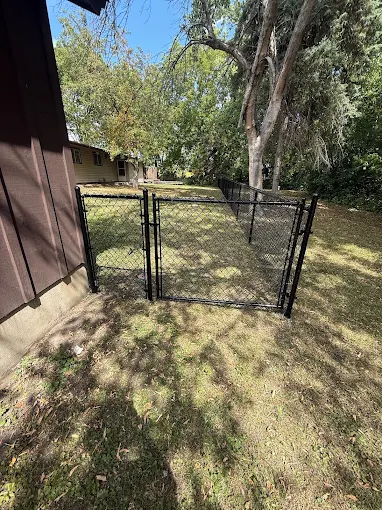
For a standard backyard in Minneapolis, MN, the finish rarely moves the total enough to decide anything. Height and gate count usually move it more.
Lifespan Is Close, and the Install Decides More Than the Finish
Both finishes are durable in Minnesota’s climate, and neither is a short-term material. The PVC layer does add weather protection that can extend service life in harsh exposure. That matters most on fence lines sitting wet through spring or taking road salt spray through winter, which is a big part of how weather affects chain link fences around here, you know.
Neither finish fails first on a properly installed fence. Posts do. A galvanized fence with posts at 42 to 48 inches will outlast a vinyl-coated fence set at two feet, and it won’t be close.
We set every post below the frost line and call Gopher State One Call before any digging starts. If you’re comparing two quotes with different finishes, ask both contractors what depth they set posts at. That one question tells you a lot, maybe more than the finish does.
| Galvanized | Black vinyl-coated | |
| Cost per foot | Lowest | Small premium |
| Finish | Bright silver, dulls to grey | Matte black |
| Protection | Zinc layer | Zinc plus bonded PVC |
| Visual effect | Reads as a visible barrier | Recedes against landscaping |
| Strongest use | Long perimeters, commercial, budget runs | Front and side yards, view lines, pet yards |
Noticed your current fence leaning or heaving after a Minnesota winter? Give us a call at (612) 310-4279, and we’ll take a look before it turns into a bigger problem.
Where Galvanized Is the Right Call
Galvanized earns its place wherever function outranks appearance. Commercial perimeters, storage yards, playground enclosures and industrial boundaries across Minneapolis, MN all sit comfortably in silver. The savings across long footage are real. Honestly, nobody is evaluating the curb appeal of a fenced equipment yard.
On residential properties, galvanized suits back perimeters behind a treeline, along an alley, or against a neighbor’s garage wall. It also suits the homeowner fencing a large lot who would rather put the budget into height and gates.
A 6-foot galvanized fence with two well-placed gates beats a 4-foot coated fence with one gate at the wrong end. Either finish rewards a simple upkeep routine, and a chain link fence maintenance checklist sets out what that involves.
Where Black Vinyl-Coated Earns the Premium
Black is the finish we install most often on residential yards where the fence sits in view. The reason is optical rather than technical.
A black fence recedes against grass, shrubs, and tree lines, so the eye reads through it to the yard beyond, while silver does the opposite and draws attention to the barrier. In a yard you look at daily from inside the house, that matters a bit more than the premium.
It’s also the stronger choice for pet yards where owners want containment without the fence dominating the space. The same holds for front and side runs visible from the street.
Black is the compromise many homeowners land on when they want chain link durability without the look of a service yard. Looking at chain link fence panels side by side is just the fastest way to see the difference.
How to Decide Between Them
Start by mapping which runs are visible and which are not. Many yards don’t need a single answer. Running black across the visible sections and galvanized on the hidden back line is a legitimate way to spend the budget where it shows. We build mixed-finish projects regularly, and there’s no structural reason to avoid it.
Then set height and gates before finish. Those two carry more cost and a lot more consequence. A fence at the wrong height gets replaced early, and a gate in the wrong spot annoys you for twenty years.
Once height and placement are settled, put whatever remains toward the finish. That order produces fences homeowners stay happy with. Reversing it gives you good-looking fences that don’t do the job.
Have questions about picking a finish, or just want to talk through your options first? Contact us at (612) 310-4279, and we’ll help you figure out the right next step.
Related Topics:
