Full Chain Link Fence Repair Guide in Minneapolis (Posts, Mesh, Tension Wire, and Costs)
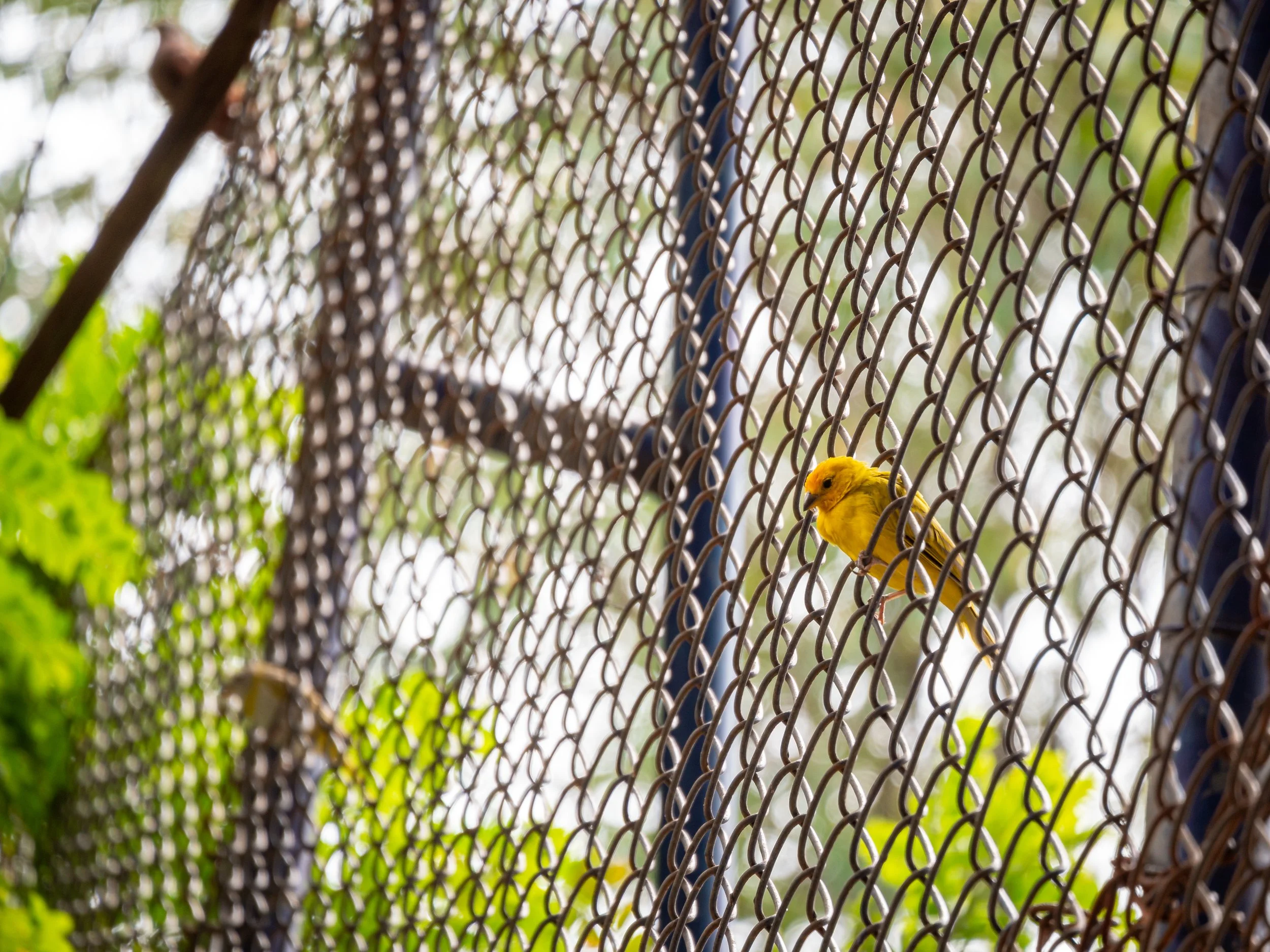
Chain link fence repairs in Minneapolis range from a straightforward mesh patch to a full post reset caused by frost heave. Knowing the type of damage you are dealing with helps you decide whether a targeted repair makes sense or whether replacement is the more cost-effective option.
An affordable fence company in Minneapolis, MN, that does honest assessments before quoting will tell you which category your fence falls into, rather than pushing the more expensive option by default. This guide covers the four most common chain link fence problems in Minneapolis, what each repair entails, and how to weigh the cost before calling anyone.
Damaged or Leaning Posts
Leaning posts are the most common problem with chain link fence in Minneapolis, and they almost always stem from one of two causes: frost heave or vehicle impact. Frost heave happens when posts are not set deep enough to clear Minnesota's frost line, which runs 42 to 60 inches below grade. Posts set above that depth shift as the ground freezes and thaws each winter.
Correcting a frost-heaved post involves pulling the post, removing the old concrete footing, and resetting it at the correct depth with new concrete. A post straightened and re-braced without being reset will heave the following winter again. If multiple posts along the same fence line are heaving, the entire installation was likely set too shallow, and full replacement with correctly set posts is more cost-effective than resetting each post individually.
Torn or Sagging Chain Link Mesh
Torn mesh is usually caused by impact, animal pressure, or age-related corrosion at the tension points. A section of torn mesh can be replaced by removing the damaged portion and weaving in a new section of matching gauge and height. The repair works best when the surrounding mesh and posts are still in sound condition.
Sagging mesh is a different problem. It typically means the tension wire or tension bars at the ends of the fence have loosened, or the posts have shifted. Tightening the tension wire and re-securing the tension bars can correct mild sagging. Significant sag running across multiple sections usually points to post movement or structural degradation that warrants a closer look at replacement.
Tension Wire and Rail Issues
A tension wire runs along the bottom of a chain-link fence, keeping the mesh from pulling away from the ground line. When the tension wire breaks or works loose, the bottom of the fence pulls away from the ground, creating an opening for pets to push through or dig under.
Replacing tension wire on a run of fence is a manageable repair when the posts and mesh are otherwise sound. Top rail damage, typically caused by impact or heavy debris, can also be addressed by replacing the affected rail section. Rail connectors and fittings are standard parts available for most chain link configurations.
Gate Repairs
Gate problems usually fall into two categories: sagging gates and latch failures. A sagging gate means the hinge posts have shifted or the gate hardware has worn loose. Adjusting or replacing gate hinges corrects a sagging gate when the post itself is sound, and a shifted or heaved hinge post requires the same correction as any other heaved post.
Latch failures in chain-link gates are typically handled by replacing the hardware. The latch mechanism is a standard part that can be swapped without replacing the gate frame or mesh.
The 20% Rule: Repair vs. Replacement
A useful starting point for any aging chain link fence is this: if more than 20% of the fence needs attention, replacement is usually more cost-effective than patching. Repairs on aging chain link add up quickly, and a patched fence still has the lifespan problems of an older installation.
Consider replacement when posts are heaving across multiple sections, when rust has compromised the mesh or post connections structurally, when the fence is more than 15 years old and showing widespread wear, or when the total cost of repairs approaches 40-50% of the cost of a full replacement.
Why Frost Line Depth Matters for Replacement
Getting the post depth right is what matters most in any replacement project. Posts set below Minnesota's frost line of 42 to 60 inches do not heave, and a replacement installed correctly eliminates the recurring problem that caused the original fence to fail.
Every post is set at the correct frost-line depth and properly reinforced with concrete on every installation completed by the team, which is why every installation is backed by a 10-year labor warranty.
What Replacement With Our Team Includes
When replacement is the right call, the full process is handled in-house. Removal of the existing fence is included in every replacement project. New posts are set in concrete to the correct frost line depth, and new mesh, rails, tension wire, and gates are installed. The site is cleaned up before the team leaves.
Every replacement installation is backed by a 10-year labor warranty and the manufacturer's materials warranty. Financing is available through Hearth for qualifying projects, including 0% interest options with funding within 1 to 3 days and no home equity required.
Get a Free Assessment in Minneapolis
Not sure whether your fence needs repair or a full replacement? Free estimates are available across Minneapolis and the Twin Cities metro. Devon personally reviews the fence, assesses post condition, mesh, and hardware, and gives an honest recommendation based on what the property actually needs.
The team is fully licensed and insured in Minnesota. Call or text Devon at (612) 310-4279 or email dtalach@compassfenceco.com to schedule a free estimate.
Related Topics: